Tired of that “just brushed” feeling fading too quickly? Perhaps you’ve heard the buzz about electric toothbrushes but imagine they come with a hefty price tag. Good news: finding the Best Budget Electric Toothbrush doesn’t mean sacrificing a sparkling clean or compromising your oral health. In fact, a truly great budget option can revolutionize your daily routine, offering a powerful clean that manual brushing often misses, all without breaking the bank. It’s about smart choices, not just cheap ones, ensuring you get the essential benefits for a healthier, brighter smile.
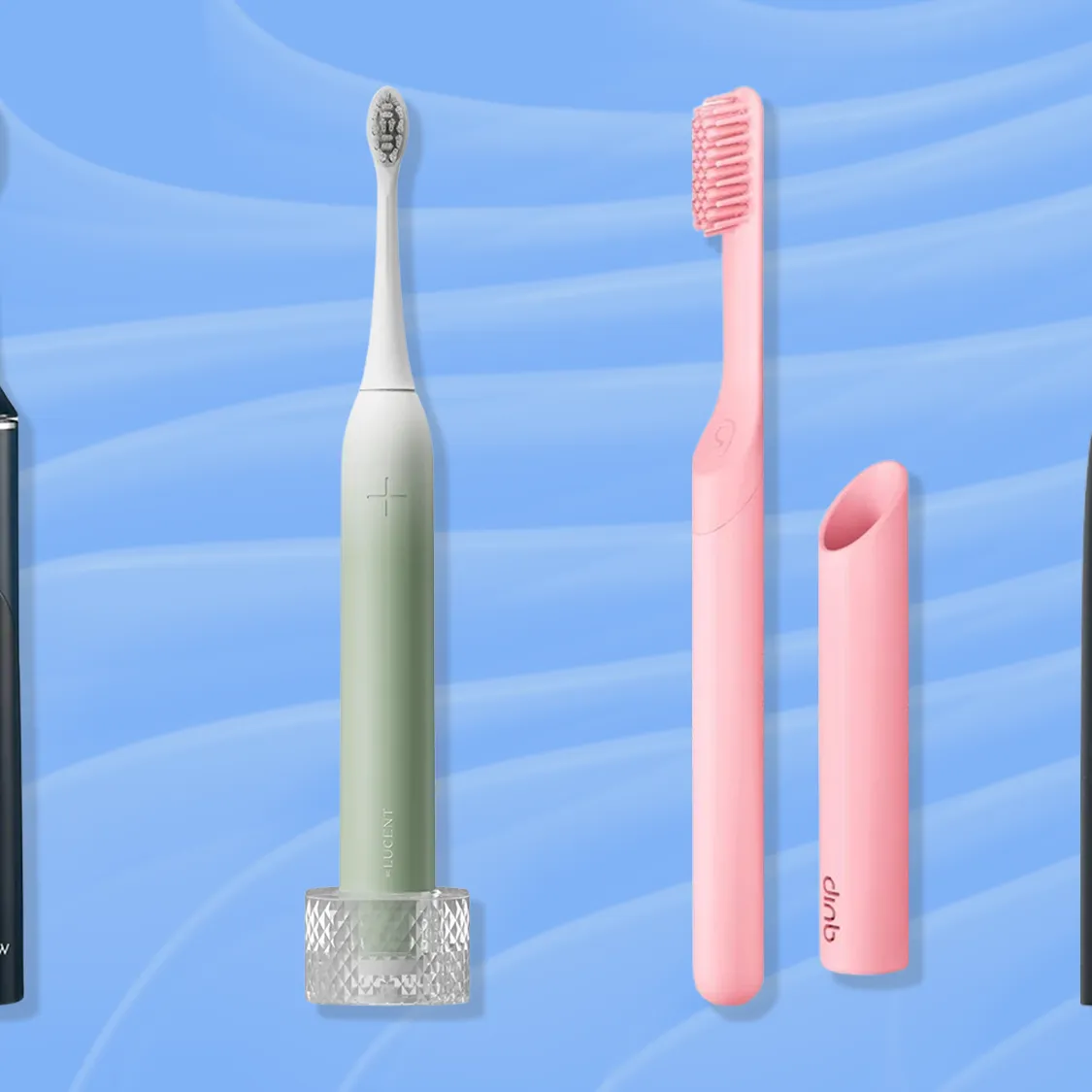
The Evolution of Oral Care: From Bristles to Buzz
For centuries, oral care relied on manual brushes – a simple stick with bristles. While effective to a degree, they largely depended on individual technique and diligence. Then came the electric toothbrush, first introduced in the mid-20th century, bringing a new era of efficiency to dental hygiene. These devices take the hard work out of brushing, utilizing rapid movements to dislodge plaque and food particles far more effectively than your hand ever could.
There are generally two main types of electric toothbrushes you’ll encounter:
- Oscillating-Rotating: These brushes, often recognized by their small, round heads, rapidly rotate, oscillate (move back and forth), and often pulsate to literally scrub and sweep away plaque. Brands like Oral-B commonly use this technology.
- Sonic: Mimicking the sweeping motion of a manual brush but at incredibly high speeds, sonic toothbrushes vibrate at frequencies that generate thousands of brush strokes per minute. Their heads are usually more oblong, similar to traditional brushes. Philips Sonicare is a leading name in sonic technology.
Both types offer distinct advantages, and both have excellent options available when searching for the best budget electric toothbrush.
Why Go Electric? The Undeniable Benefits
You might wonder if an electric toothbrush is truly worth the investment, even a small one. The answer is a resounding yes! The benefits extend far beyond just feeling cleaner. Studies have consistently shown that electric toothbrushes are significantly more effective at removing plaque and reducing gingivitis than their manual counterparts. Imagine cutting plaque by 21% and gingivitis by 11% in just a few months; that’s a tangible difference for your oral health.
Here’s why an electric model, even a budget-friendly one, is a game-changer:
- Superior Plaque Removal: Electric toothbrushes deliver thousands of strokes per minute, vastly outperforming the few hundred you can achieve manually. This high-speed action breaks down and sweeps away plaque and biofilm more efficiently.
- Improved Brushing Technique: Many affordable electric toothbrushes come equipped with built-in timers, often set for the dentist-recommended two minutes, with short pauses every 30 seconds to guide you to switch quadrants of your mouth. Some even have pressure sensors that alert you if you’re pressing too hard, protecting your gums from damage. This takes the guesswork out of brushing, ensuring consistent, optimal cleaning.
- Ease for Limited Mobility: For individuals with conditions like arthritis, carpal tunnel, or other limitations in hand dexterity, an electric toothbrush does most of the work, making effective brushing much easier and less painful.
- Better Reach: The compact size and specialized movements of many electric toothbrush heads allow them to access hard-to-reach areas, like the back molars and behind the front teeth, where plaque often accumulates.
“Many people underestimate the power of consistency,” says Dr. Evelyn Reed, a leading dental hygienist. “An electric toothbrush, even a basic model, helps enforce that consistency with its built-in timer and often a pressure sensor. It’s not just about how fast it cleans, but how reliably it helps you clean correctly every single time.”
Decoding “Budget”: Essential Features to Look For
When hunting for the best budget electric toothbrush, it’s crucial to distinguish between essential features and unnecessary frills. You want value, not just the lowest price. Here’s what to prioritize:
- Built-in Timer and Quad Pacer: This is non-negotiable. A two-minute timer ensures you brush for the recommended duration, while 30-second intervals guide you to cover all areas of your mouth evenly.
- Pressure Sensor: Over-brushing can damage gums and tooth enamel. A pressure sensor, ideally one with a visual cue (like a light changing color), immediately alerts you if you’re applying too much force. This feature is a crucial protector for your oral health.
- Rechargeable Battery: While disposable battery options exist, a rechargeable model is generally more economical and eco-friendly in the long run. Look for decent battery life, ideally lasting at least a week on a single charge for convenience.
- Effective Brush Head: A small, round brush head (for oscillating-rotating models) or an oblong head with varied bristle lengths (for sonic models) is key. The bristles should be medium-soft to clean effectively without causing irritation. Crucially, check the availability and cost of replacement heads; affordable and easily accessible refills are vital for long-term budget maintenance.
- Basic Cleaning Modes: While high-end brushes boast numerous modes, one or two effective cleaning modes (like a “Daily Clean” and possibly a “Sensitive” mode) are usually sufficient for the best budget electric toothbrush. Extra modes often go unused and add to the cost.
What can you skip to save money? Features like AI coaching, Bluetooth connectivity, extensive apps, digital displays, and fancy travel cases are often found on premium models and don’t contribute directly to the core cleaning performance. Focus on the fundamentals that deliver a superior clean.
Making the Switch: How to Use Your Electric Toothbrush Properly
Even the best budget electric toothbrush needs to be used correctly to maximize its benefits. It’s a bit different from manual brushing!
Step-by-Step Guide for Effective Brushing:
- Charge It Up: Ensure your brush is fully charged or has enough power for a two-minute session.
- Apply Toothpaste: Put a pea-sized amount of fluoride toothpaste on the brush head.
- Angle Correctly: Place the brush head at a 45-degree angle to your gum line, covering one or two teeth at a time.
- Let the Brush Do the Work: Unlike manual brushing, you don’t need to scrub vigorously. Simply guide the brush head slowly from tooth to tooth, allowing the bristles to do their job.
- Follow the Timer: The built-in timer will usually pulse or briefly stop every 30 seconds, signaling you to move to the next quadrant of your mouth (upper right, upper left, lower left, lower right).
- Brush All Surfaces: Ensure you cover all surfaces of your teeth – outer, inner, and chewing surfaces.
- Don’t Forget Your Tongue: Gently brush your tongue to remove bacteria and freshen breath.
- Rinse and Clean: Rinse your mouth and thoroughly rinse the brush head under running water to remove any toothpaste residue, then let it air dry.
Maintenance Tips for Longevity:
- Replace Brush Heads Regularly: Dentists recommend changing your brush head every three months, or sooner if the bristles appear frayed. This is crucial for maintaining cleaning effectiveness and hygiene.
- Clean the Handle: Wipe down the brush handle periodically to prevent buildup.
- Proper Charging: Follow the manufacturer’s instructions for charging. Avoid leaving it on the charger constantly if not recommended, as this can sometimes impact battery life.
Manual vs. Electric: The Budget Showdown
When comparing a manual toothbrush to the best budget electric toothbrush, the initial cost might seem like the only advantage of the manual option. However, let’s look at the bigger picture.
| Feature | Manual Toothbrush | Budget Electric Toothbrush |
|---|---|---|
| Initial Cost | Very low | Modest (often $30-$60) |
| Cleaning Power | Dependent on user technique (approx. 300 strokes/min) | High (thousands of strokes/min, consistent) |
| Plaque Removal | Moderate | Superior (studies show 21% more effective) |
| Brushing Guidance | None | Built-in timer, often a pressure sensor |
| Ease of Use | Requires active scrubbing and precise technique | Does the work for you, just guide it |
| Long-term Value | Lower initial cost, but potentially higher dental costs if cleaning is subpar | Higher initial cost, but can lead to better oral health and fewer dental issues |
While a manual brush is undoubtedly cheaper upfront, the superior cleaning efficiency and built-in guidance of even the best budget electric toothbrush can lead to better long-term oral health, potentially saving you money on future dental treatments. It’s an investment in your well-being.
Frequently Asked Questions
Q: How often should I replace my electric toothbrush head?
A: Generally, dental professionals recommend replacing your electric toothbrush head every three months, or sooner if the bristles become visibly frayed or worn. Worn bristles are less effective at cleaning.
Q: Are budget electric toothbrushes as good as expensive ones?
A: For core cleaning effectiveness, many budget electric toothbrushes perform exceptionally well. They typically include essential features like timers and pressure sensors. More expensive models often add “smart” features like apps, multiple modes, or fancy designs, which might not be necessary for everyone. The best budget electric toothbrush focuses on essential cleaning power and technique guidance.
Q: Can I use an electric toothbrush if I have sensitive teeth or gums?
A: Absolutely! Many budget electric toothbrushes offer a “sensitive” mode, which uses gentler vibrations or rotations. The built-in pressure sensor is also a huge advantage, preventing you from brushing too hard, which can exacerbate sensitivity and gum recession.
Q: What’s the typical battery life of a budget electric toothbrush?
A: Most rechargeable budget electric toothbrushes offer a battery life of at least one to two weeks with regular twice-daily use. Some models are noted for exceptional battery life, lasting up to five weeks on a single charge, making them great for travel.
Q: Is ADA acceptance important for an electric toothbrush?
A: Yes, looking for the American Dental Association (ADA) Seal of Acceptance is a good indicator of quality and safety. It means the product has been scientifically evaluated and proven to be safe and effective for its intended use, providing an extra layer of trust for your purchase.
Your Brightest Smile on a Budget
Choosing the best budget electric toothbrush is a smart move for anyone looking to upgrade their oral hygiene without overspending. It’s about empowering yourself with technology that makes brushing more effective, more consistent, and ultimately, more beneficial for your long-term dental health. With essential features like timers and pressure sensors, these affordable wonders offer a clean that rivals much pricier models. So, don’t let budget constraints stop you from experiencing the fresh, dentist-clean feeling every day. Give a budget electric toothbrush a try – your smile will thank you!