Stepping into a dental clinic, you’ll often hear a recurring piece of advice that can transform your oral hygiene: consider an electric toothbrush. It’s a simple shift, yet one that many dental professionals champion for its profound impact on maintaining a healthy, vibrant smile. But with a dizzying array of models and technologies available, how do you choose the Dentist Recommended Electric Toothbrush that’s truly right for you? This comprehensive guide cuts through the noise, offering insights straight from the experts to help you make an informed decision and elevate your daily brushing routine.
The Evolution of Oral Care: A Brief History of Electric Toothbrushes
For centuries, manual toothbrushes were the undisputed champions of oral hygiene. Simple in design, they relied entirely on human effort and technique. However, the mid-20th century marked a pivotal moment with the introduction of the first electric toothbrushes. Early models were often bulky and noisy, but they laid the groundwork for a revolution in home dental care.
Over the decades, technological advancements have transformed these devices from basic motor-driven brushes into sophisticated tools. Today’s electric toothbrushes boast features like advanced sonic vibrations, oscillating-rotating movements, pressure sensors, built-in timers, and even smart connectivity with mobile apps. This journey from rudimentary to intelligent has been driven by a singular goal: to make brushing more effective, consistent, and accessible for everyone, truly establishing the concept of a dentist recommended electric toothbrush.
Why Dentists Give Electric Toothbrushes a Thumbs Up
It’s no secret that many dental professionals lean towards electric toothbrushes. Their endorsements aren’t just based on anecdotal evidence; a growing body of research consistently highlights the superior benefits these devices offer compared to their manual counterparts.
Superior Plaque Removal
One of the most compelling reasons dentists recommend electric toothbrushes is their unparalleled ability to remove plaque. The high-speed movements, whether sonic vibrations or oscillating rotations, generate significantly more brush strokes per minute than even the most diligent manual brushing. This mechanical advantage helps break up and sweep away sticky plaque buildup more effectively, even in those tricky, hard-to-reach areas. Fewer plaque means a lower risk of cavities and other dental woes.
Enhanced Gum Health
Healthy gums are the foundation of a healthy mouth. Electric toothbrushes are gentle yet highly effective, contributing significantly to improved gum health. Many models feature pressure sensors that alert you if you’re brushing too hard, a common issue with manual brushes that can lead to gum recession and enamel wear. By promoting a gentler, yet more thorough clean, electric toothbrushes help reduce gingivitis (gum inflammation) and bleeding, fostering a healthier environment for your entire mouth.
Consistent Brushing Habits
Let’s be honest, we all rush sometimes. But consistent, thorough brushing is critical. This is where electric toothbrushes truly shine in shaping better habits. Almost all models come with a built-in 2-minute timer, ensuring you brush for the duration recommended by dental associations worldwide. Many also feature a QuadPacer, which signals every 30 seconds, prompting you to move to a different quadrant of your mouth, guaranteeing an even and comprehensive clean. This takes the guesswork out of brushing, promoting habits that your dentist will certainly appreciate.
Ease of Use for Everyone
For individuals with limited dexterity, arthritis, or certain physical challenges, manual brushing can be a struggle. Electric toothbrushes simplify the process; you simply guide the brush head along your teeth, letting the technology do the hard work. This makes effective oral hygiene achievable for a broader range of people, from young children learning to brush to seniors who might find fine motor skills more challenging.
“An electric toothbrush isn’t just about making brushing easier; it’s about making it better,” explains Dr. Anya Sharma, a leading dental expert from Future Smile Clinic. “The consistent power and built-in guidance features mean that patients achieve a level of clean that’s often difficult to replicate with a manual brush, leading to fewer dental issues in the long run.”
Demystifying Electric Toothbrush Technologies: Sonic vs. Oscillating-Rotating
When seeking a dentist recommended electric toothbrush, you’ll primarily encounter two main types of cleaning technologies: sonic and oscillating-rotating. Both are highly effective, but they work in slightly different ways and offer distinct brushing experiences.
Sonic Toothbrushes
Sonic toothbrushes, such as those from Philips Sonicare or SURI, utilize high-frequency vibrations—often tens of thousands of strokes per minute. These rapid vibrations create dynamic fluid activity, essentially generating micro-bubbles from toothpaste and saliva that can reach between teeth and below the gumline, disrupting plaque even where the bristles don’t directly touch. Many users describe the sensation as a powerful yet gentle hum. Sonic brushes typically have a brush head shape more similar to a traditional manual toothbrush.
Oscillating-Rotating Toothbrushes
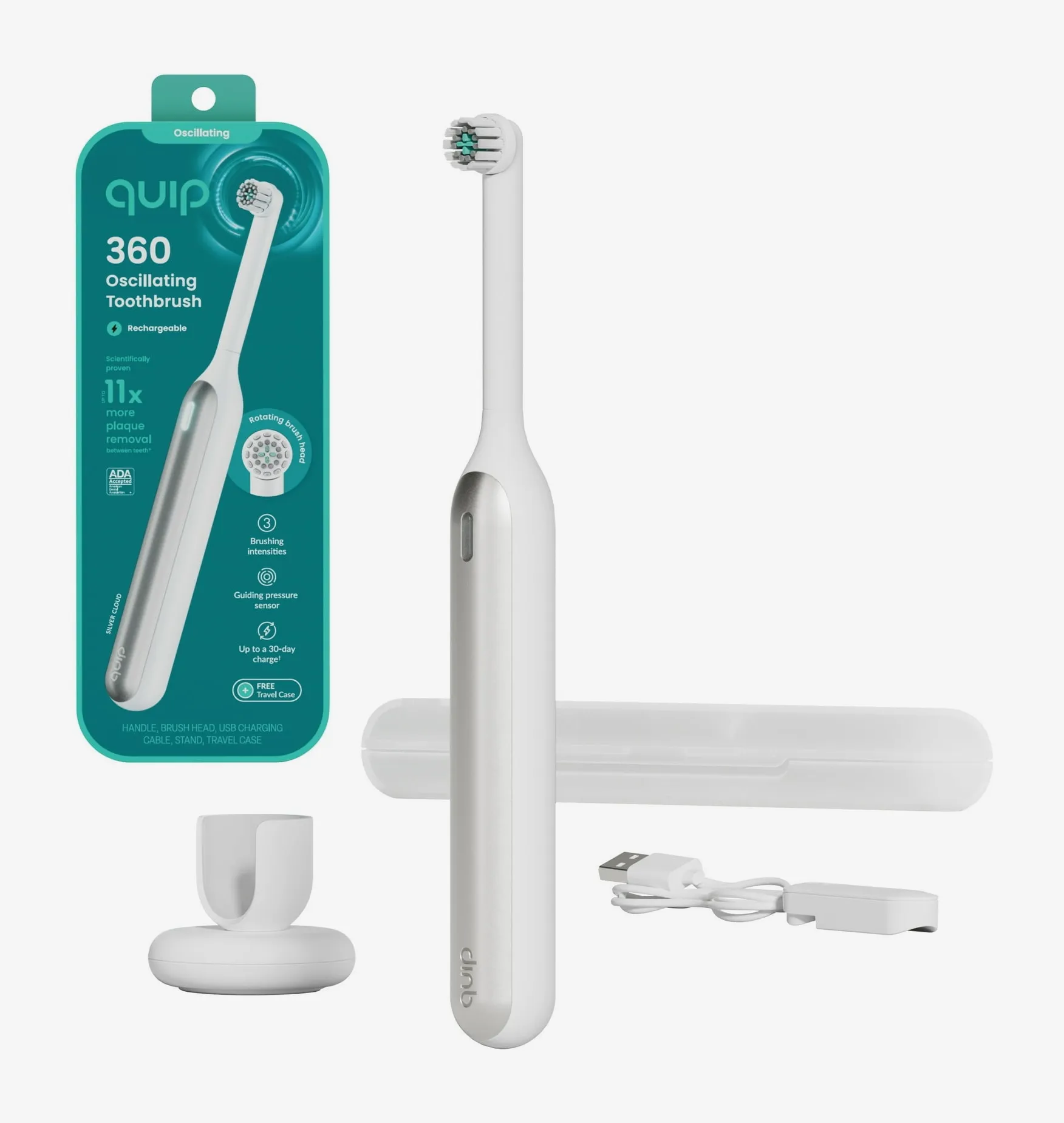
Oscillating-rotating toothbrushes, famously pioneered by Oral-B, feature a small, round brush head that cups each tooth. This head oscillates (moves side to side) and rotates (spins) at high speeds, scrubbing and polishing each tooth surface individually. This action is incredibly effective at breaking up and sweeping away plaque. Users often describe the feeling as a more vigorous, “scrubbing” clean.
Which is Better?
The truth is, both sonic and oscillating-rotating technologies are highly effective at plaque removal and improving gum health when used correctly. The choice often comes down to personal preference for the brushing sensation and brush head design. Some prefer the gentler, broader reach of a sonic brush, while others love the intense, tooth-by-tooth cleaning of an oscillating-rotating model. Discussing your specific needs with your dentist can help guide your decision towards the best electric toothbrush for you.
Key Features That Make a Difference
Beyond the core technology, a dentist recommended electric toothbrush often incorporates several key features designed to optimize your cleaning experience and protect your oral health.
- Soft Bristles: This is non-negotiable. Dentists universally recommend soft-bristled brush heads. Hard or medium bristles can be too abrasive, potentially damaging tooth enamel and causing gum recession over time. Always check that your chosen brush head specifies “soft” bristles.
- Pressure Sensor: A game-changer for preventing over-brushing. This feature alerts you, usually through a light, vibration, or sound, if you’re applying too much force, helping to protect your gums and teeth from unnecessary wear.
- Built-in Timers & QuadPacers: As mentioned, the 2-minute timer is standard. The QuadPacer helps you divide your mouth into four sections, ensuring each area receives adequate attention. This promotes a balanced and thorough clean every time.
- Multiple Brushing Modes: Many electric toothbrushes offer various modes, such as “Clean,” “Sensitive,” “Gum Care,” “Whitening,” or “Deep Clean.” These modes allow you to customize your brushing experience based on your specific needs, providing tailored care for different oral health concerns.
- Brush Head Design and Replacement: Consider the size and shape of the brush head. Smaller heads can often reach tight spots more effectively. Remember that brush heads need to be replaced every three months, or sooner if the bristles fray, to maintain optimal hygiene and cleaning performance.
- Battery Life and Charging: A good rechargeable battery is crucial for convenience. Look for models with a long battery life (several weeks on a single charge is common) and easy charging options, including travel cases with built-in charging.
- Smart Features (App Connectivity): For tech enthusiasts, some advanced electric toothbrushes connect to smartphone apps via Bluetooth. These apps can offer real-time feedback on your brushing technique, track your coverage, and even provide personalized coaching to help you improve. While not essential for everyone, these features can be incredibly motivating and educational.
- ADA Seal of Acceptance: In the United States, the American Dental Association (ADA) Seal of Acceptance is a strong indicator of a product’s safety and effectiveness. If a toothbrush carries this seal, it means it has undergone rigorous testing and meets specific scientific criteria.
“When selecting an electric toothbrush, think beyond just the brand,” advises Dr. Benjamin Carter, a renowned periodontist. “Features like pressure sensors and timers are vital because they directly address common brushing mistakes. For anyone serious about long-term oral health, these are non-negotiable aspects of a truly dentist recommended electric toothbrush.”
Top Contenders: Dentist Recommended Electric Toothbrush Models
While personal preference plays a role, several electric toothbrush models consistently earn high marks from dental professionals due to their proven effectiveness and thoughtful features.
- Oral-B iO Series: These toothbrushes are frequently cited for their micro-vibrating bristles and smart technology. Models like the iO Series 10 offer multiple cleaning modes, real-time tracking, and pressure monitoring directly on the charger or via an app, providing an exceptionally comprehensive clean. The small, round oscillating-rotating heads excel at cleaning each tooth individually.
- Philips Sonicare ProtectiveClean & DiamondClean Series: Philips Sonicare models, such as the ProtectiveClean 6100 or DiamondClean 9900 Prestige, are praised for their powerful sonic vibrations and elegant design. They often feature multiple modes, intensity settings, and pressure sensors, delivering an effective yet gentle clean. The broader, elongated brush heads cover more surface area simultaneously.
- SURI Electric Toothbrush: Gaining popularity for its sustainable design, the SURI 2.0 offers dentist-approved sonic cleaning with 33,000 vibrations per minute. Its plant-based brush heads and recycling program appeal to environmentally conscious users, while its cleaning performance stands up to major brands.
These examples represent the pinnacle of electric toothbrush technology, each offering distinct advantages that make them a strong contender for the title of “dentist recommended electric toothbrush.”
Mastering Your Electric Toothbrush: Tips for Optimal Use
Having the best electric toothbrush is only half the battle; using it correctly is crucial to unlock its full potential. Here’s how to ensure you’re getting the most out of your dentist recommended electric toothbrush:
- Gentle Does It: Resist the urge to scrub vigorously. An electric toothbrush is designed to do the work for you. Simply hold the brush head gently against each tooth, allowing the bristles to do their job without applying excessive pressure. Let the brush glide along your gumline and tooth surfaces.
- Cover All Surfaces: Systematically brush the outer, inner, and chewing surfaces of every tooth. Use the QuadPacer feature (if available) to ensure you dedicate approximately 30 seconds to each quadrant of your mouth.
- Don’t Forget Your Tongue: Many electric toothbrushes come with tongue cleaning modes or specialized brush heads. Brushing your tongue helps remove bacteria and keeps your breath fresh.
- Rinse and Store Properly: After each use, rinse your brush head thoroughly under running water to remove any toothpaste residue. Store your toothbrush upright in a clean, dry place to allow it to air dry, preventing bacterial growth.
- Replace Brush Heads Regularly: As previously mentioned, replace your brush head every three months, or sooner if the bristles become visibly frayed or damaged. Worn bristles are less effective at cleaning and can even be abrasive.
- Flossing is Key: Remember, an electric toothbrush is a powerful tool, but it’s not a substitute for flossing. Flossing daily removes plaque and food particles from between your teeth and below the gumline, areas that even the most advanced toothbrush can’t fully reach.
- Regular Dental Check-ups: Even with the best electric toothbrush, routine dental check-ups and professional cleanings are essential. Your dentist and hygienist can spot potential issues early, provide personalized advice, and ensure your oral health is on track.
Electric vs. Manual: The Clear Choice for Your Smile
The debate between electric and manual toothbrushes often comes up, and while a manual toothbrush used with perfect technique can maintain decent oral hygiene, the advantages of a dentist recommended electric toothbrush are undeniable. Electric toothbrushes remove significantly more plaque, reduce gingivitis more effectively, and promote consistent, thorough brushing habits through timers and pressure sensors. They are particularly beneficial for individuals who struggle with manual dexterity or who simply want to optimize their daily routine for peak oral health. For most people, making the switch to an electric toothbrush represents a significant upgrade in their dental care, offering a more efficient and effective path to a cleaner mouth and healthier gums.
Frequently Asked Questions
Are electric toothbrushes safe for sensitive teeth and gums?
Absolutely! Many electric toothbrushes offer “sensitive” modes and come equipped with pressure sensors to prevent over-brushing, making them very safe for sensitive teeth and gums. Always opt for soft-bristled brush heads.
How often should I replace the brush head?
Dental professionals recommend replacing your electric toothbrush head every three months, or sooner if the bristles appear frayed or worn. This ensures optimal cleaning effectiveness and hygiene.
Can kids use electric toothbrushes?
Yes, electric toothbrushes are often excellent for children. Many brands offer models specifically designed for kids with smaller brush heads, fun designs, and features like timers and apps to make brushing more engaging and effective.
Is a more expensive electric toothbrush always better?
Not necessarily. While premium models often boast advanced features like smart connectivity and multiple modes, many mid-range electric toothbrushes offer the core benefits (pressure sensors, timers, effective cleaning technology) at a more accessible price point. Focus on features that meet your specific needs rather than just the price tag.
What’s the main difference between sonic and oscillating-rotating toothbrushes?
Sonic toothbrushes vibrate at high frequencies to create fluid cleaning action, often with a manual-like brush head. Oscillating-rotating toothbrushes use a small, round head that rotates and oscillates to scrub each tooth individually. Both are effective, and the choice often comes down to personal preference for the brushing sensation.
A Brighter Future for Your Smile
Choosing a dentist recommended electric toothbrush is more than just buying a gadget; it’s an investment in your long-term oral health. With their superior plaque removal, gum care benefits, and features that promote consistent, effective brushing, electric toothbrushes offer a clear advantage in maintaining a healthy, radiant smile. If you haven’t yet made the switch, now might be the perfect time to experience the difference a truly effective electric toothbrush can make. Embrace the technology, improve your habits, and enjoy that fresh-from-the-dentist feeling every single day. Your smile will thank you.