Stepping into the world of enhanced oral hygiene often begins with a simple yet profound choice: upgrading to an Electric Toothbrush. More than just a gadget, this powerful tool has revolutionized how we approach daily dental care, promising a cleaner feel and healthier mouth than traditional brushing methods. If you’ve ever wondered what makes an electric toothbrush so effective, or how to get the most out of one, you’re in the right place. Let’s unlock the secrets to a brighter, healthier smile together.
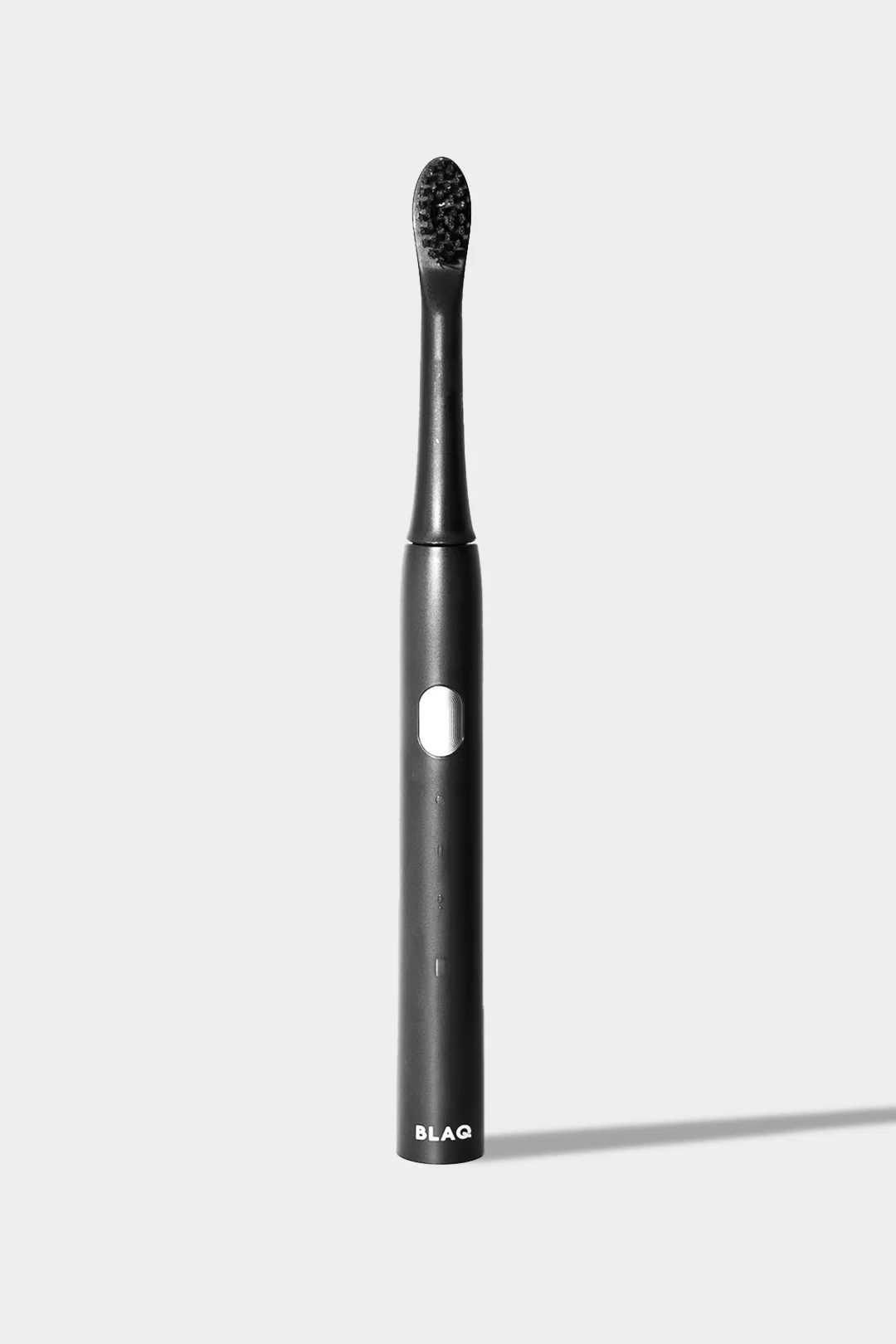
The Evolution of the Electric Toothbrush: A Journey Through Innovation
The story of the electric toothbrush is one of continuous innovation, driven by the desire for superior oral health. Its origins trace back to Switzerland in 1954, when Dr. Philippe-Guy Woog introduced the first electric toothbrush. This early invention was primarily designed to assist individuals with limited motor skills, making effective oral hygiene accessible to more people.
The concept gained wider recognition when the “Broxodent” was mass-marketed in 1960. While functional, these initial models were often corded and bulky. The 1960s saw General Electric introduce a cordless, rechargeable version, though early battery technology meant short life spans and less convenient use.
A significant leap occurred in the 1990s with the advent of sonic technology, exemplified by the launch of Sonicare in 1992. These brushes introduced high-frequency vibrations that went beyond simple mechanical scrubbing. Fast forward to today, and the electric toothbrush has transformed into a sophisticated device, boasting smart features, Bluetooth connectivity, and companion apps that offer real-time feedback and personalized coaching.
Unpacking the Technology: Types and Features of Electric Toothbrushes
Modern electric toothbrushes come in a variety of designs, each engineered to deliver an exceptional clean. Understanding the core technologies and features can help you choose the perfect match for your needs.
Types of Electric Toothbrush Technology
- Oscillating-Rotating: These brushes typically feature a small, round head that rotates in one direction and then the other, often combined with pulsations that push bristles against the teeth. This motion effectively breaks up and sweeps away plaque. Brands like Oral-B are well-known for utilizing this technology.
- Sonic: Mimicking the side-to-side motion of manual brushing but at incredibly high speeds—upwards of 30,000 to 40,000 strokes per minute—sonic toothbrushes generate powerful vibrations. These vibrations create dynamic fluid action, driving toothpaste and water deep between teeth and along the gumline to dislodge plaque. Philips Sonicare is a prominent name in this category.
Key Features to Look For
Beyond the basic cleaning action, many electric toothbrushes are packed with intelligent features designed to enhance your brushing experience and oral health outcomes:
- Built-in Timers: Most dentists recommend brushing for two minutes, twice a day. Many electric toothbrushes include a 2-minute timer, often with 30-second intervals to signal when to move to a different quadrant of your mouth, ensuring an even and thorough clean.
- Pressure Sensors: Brushing too hard can damage your gums and wear away enamel. Pressure sensors detect excessive force and alert you, often with a light indicator or a change in vibration, helping you protect your delicate oral tissues.
- Multiple Brushing Modes: From “Daily Clean” to “Sensitive,” “Whitening,” “Gum Care,” and “Deep Clean,” these modes allow you to customize your brushing intensity and action based on your specific oral health needs.
- Smart Features & Bluetooth Connectivity: High-tech models can connect to smartphone apps via Bluetooth, providing real-time feedback on your brushing technique, coverage, and areas you might be missing. They can even track your brushing habits over time, offering a personalized coaching experience.
- Long Battery Life: Many modern electric toothbrushes offer impressive battery life, often lasting 30 days or more on a single charge, making them convenient for daily use and travel.
- UV Sterilizing Travel Cases: For those on the go, some premium models include travel cases with UV-C light to kill bacteria on your brush head, ensuring optimal hygiene wherever you are.
- Brush Head Replacement Indicators: To maintain optimal cleaning efficacy, brush heads should be replaced regularly. Some brushes feature reminder bristles that fade over time or digital alerts to let you know when it’s time for a new one, typically every three to four months.
- Waterproof Design: An IPX7 rating means your electric toothbrush can withstand immersion in water, making it safe and convenient for use in the shower.
Brushing Right: Your Guide to Using an Electric Toothbrush Effectively
An electric toothbrush does a lot of the work for you, but proper technique is still crucial for a truly effective clean. Here’s a simple guide to mastering your electric toothbrush:
- Preparation is Key: First, ensure your electric toothbrush is charged. Most models have indicator lights. Apply a pea-sized amount of toothpaste to the brush head.
- Angle and Placement: Hold the brush at a 45-degree angle to your gum line, just as you would a manual toothbrush. Place the brush head on the outer surface of your teeth, covering one to two teeth at a time.
- Gentle Guidance, Not Scrubbing: This is where electric toothbrushes differ significantly from manual ones. You don’t need to scrub or apply excessive pressure. Simply guide the brush head slowly from tooth to tooth, allowing the brush to do its job. Hold it against each tooth for about two to five seconds before moving to the next. Let the bristles gently sweep and vibrate.
- Cover All Surfaces: Methodically clean all surfaces of your teeth:
- Outer Surfaces: Start with the outer surfaces of your upper teeth, then move to the lower.
- Inner Surfaces: Repeat the process for the inner surfaces of both upper and lower teeth.
- Chewing Surfaces: Brush the chewing surfaces of your molars.
- Behind Back Teeth: Don’t forget those tricky areas behind your back teeth.
- Don’t Forget Your Gums and Tongue: Gently run the brush head along your gum line to remove any lingering plaque and stimulate gum tissue. Finally, lightly brush your tongue and the roof of your mouth from back to front to eliminate odor-causing bacteria and freshen your breath.
- Mind the Timer: Pay attention to your toothbrush’s built-in timer. The 2-minute duration, often broken into 30-second quadrants, helps ensure you dedicate enough time to each section of your mouth.
As Dr. Evelyn Reed, a leading dental hygienist, often advises, “Think of your electric toothbrush as a precision cleaning instrument. It’s not about brute force, but about guiding it gently to let its advanced technology do the meticulous work of plaque removal. A steady hand and a patient approach will yield the best results for your oral health.”
Beyond the Buzz: Real Health Benefits of Electric Toothbrushes
The advantages of switching to an electric toothbrush extend far beyond just feeling cleaner. These devices offer tangible health benefits supported by dental professionals worldwide.
- Superior Plaque Removal: Numerous studies have shown that electric toothbrushes are significantly more effective at removing plaque than manual toothbrushes. Some research indicates they can remove up to 100% more plaque, with other studies suggesting a 21% reduction in plaque over three months or even five times more plaque removal in hard-to-reach areas. This enhanced cleaning power is crucial for preventing cavities and gum disease.
- Healthier Gums, Reduced Inflammation: By more effectively eliminating plaque and gently massaging the gums, electric toothbrushes can lead to a notable reduction in gum inflammation (gingivitis). Users often report less gum bleeding after just a week of consistent use.
- Accessibility for All: For individuals with limited dexterity, such as children, the elderly, or those with braces, an electric toothbrush can make maintaining oral hygiene much easier. The powered motion reduces the physical effort required, ensuring a more thorough clean regardless of manual skill.
- Better Brushing Habits: Features like built-in timers and pressure sensors actively coach users toward proper brushing duration and technique. This consistent reinforcement helps ingrain healthier habits, often leading to better long-term oral health outcomes.
- Fresher Breath: Bad breath, or halitosis, is often caused by plaque buildup and food particles. The superior cleaning capabilities of an electric toothbrush, especially when used to clean the tongue, significantly reduce these culprits, leading to noticeably fresher breath.
- Gentle on Enamel and Gums: While powerful, many electric toothbrushes are designed to be gentle. Pressure sensors prevent aggressive brushing that could lead to gum recession or enamel wear, safeguarding your teeth and gums.
Electric vs. Manual: Why Make the Switch?
The fundamental difference between an electric toothbrush and a manual one lies in efficacy and convenience. While a manual toothbrush can be effective with perfect technique, it relies entirely on the user’s skill, speed, and consistency. Most people simply don’t brush long enough or with the correct motion to thoroughly clean every tooth surface with a manual brush.
Electric toothbrushes, on the other hand, provide thousands of strokes per minute, far exceeding what the human hand can achieve. They standardize the cleaning process, ensuring that the work is done efficiently and effectively, often with built-in aids like timers and pressure sensors that a manual brush cannot offer. This translates to consistently better plaque removal, healthier gums, and a more confident smile with minimal effort from your side.
Keeping Your Smile Bright: Maintenance and Care Tips
Just like any other valuable tool, your electric toothbrush requires a little care to ensure it performs at its best and lasts longer.
- Replace Brush Heads Regularly: This is arguably the most crucial maintenance step. Dentists and manufacturers recommend replacing your electric toothbrush head every three to four months, or sooner if the bristles appear frayed or worn. Worn bristles are less effective at cleaning and can harbor bacteria.
- Clean After Each Use: Rinse the brush head thoroughly under running water to remove toothpaste residue and food particles. Wipe down the handle to keep it free of grime.
- Proper Storage: Store your toothbrush upright to allow it to air dry, preventing bacterial growth. If your model came with a protective cap or a wall-mounted holder, use them. Travel cases are excellent for protecting the brush head when you’re on the move.
- Charge as Needed: Follow the manufacturer’s recommendations for charging. While many modern brushes have long battery lives, consistent charging ensures your brush is always ready for optimal performance.
Frequently Asked Questions
Q1: Are electric toothbrushes really better than manual ones?
A1: Yes, extensive research shows that electric toothbrushes are generally more effective at removing plaque and reducing gingivitis than manual toothbrushes. Their consistent, high-speed motions and features like timers and pressure sensors lead to superior cleaning and improved oral health outcomes for most users.
Q2: How often should I change my electric toothbrush head?
A2: For optimal hygiene and cleaning performance, it is recommended to replace your electric toothbrush head every three to four months, or sooner if the bristles become visibly frayed or worn.
Q3: Can electric toothbrushes damage my gums?
A3: When used correctly, electric toothbrushes are gentle on gums. Many models include pressure sensors that alert you if you’re brushing too hard, preventing potential damage to your gums and tooth enamel. Simply guide the brush gently without scrubbing.
Q4: What’s the difference between sonic and oscillating-rotating electric toothbrushes?
A4: Oscillating-rotating toothbrushes have small, round heads that rotate back and forth, often with pulsations, to physically scrub away plaque. Sonic toothbrushes use high-frequency vibrations (many thousands per minute) to create fluid dynamics that dislodge plaque and clean between teeth and along the gumline. Both are effective, but their cleaning mechanisms differ.
Q5: Are smart features on an electric toothbrush worth the extra cost?
A5: For many, smart features like Bluetooth connectivity and companion apps are worth it. They provide real-time feedback, personalized coaching, and tracking of your brushing habits, which can significantly help improve your technique and ensure you’re cleaning all areas of your mouth effectively. This can be especially beneficial for those looking to optimize their oral hygiene routine.
Embrace the Future of Oral Care
The electric toothbrush is more than just a convenience; it’s a proven ally in the quest for optimal oral health. From its humble beginnings to today’s smart, feature-rich devices, the electric toothbrush has consistently delivered on its promise of a superior clean. By understanding its benefits, mastering the proper technique, and maintaining your device, you can unlock a new level of dental hygiene and confidently showcase a brighter, healthier smile. So, why not embrace the future of oral care and make the electric toothbrush a cornerstone of your daily routine? Your smile will thank you.