Wearing braces is a fantastic step towards a straighter, healthier smile, but let’s be real – keeping your teeth sparkling clean with all those wires and brackets can feel like navigating a maze. It’s a common challenge, but embracing the right tools can transform your daily oral hygiene from a chore into a highly effective routine. Enter the electric toothbrush: a true game-changer for anyone with orthodontic appliances, offering a level of cleanliness that manual brushing often struggles to match.
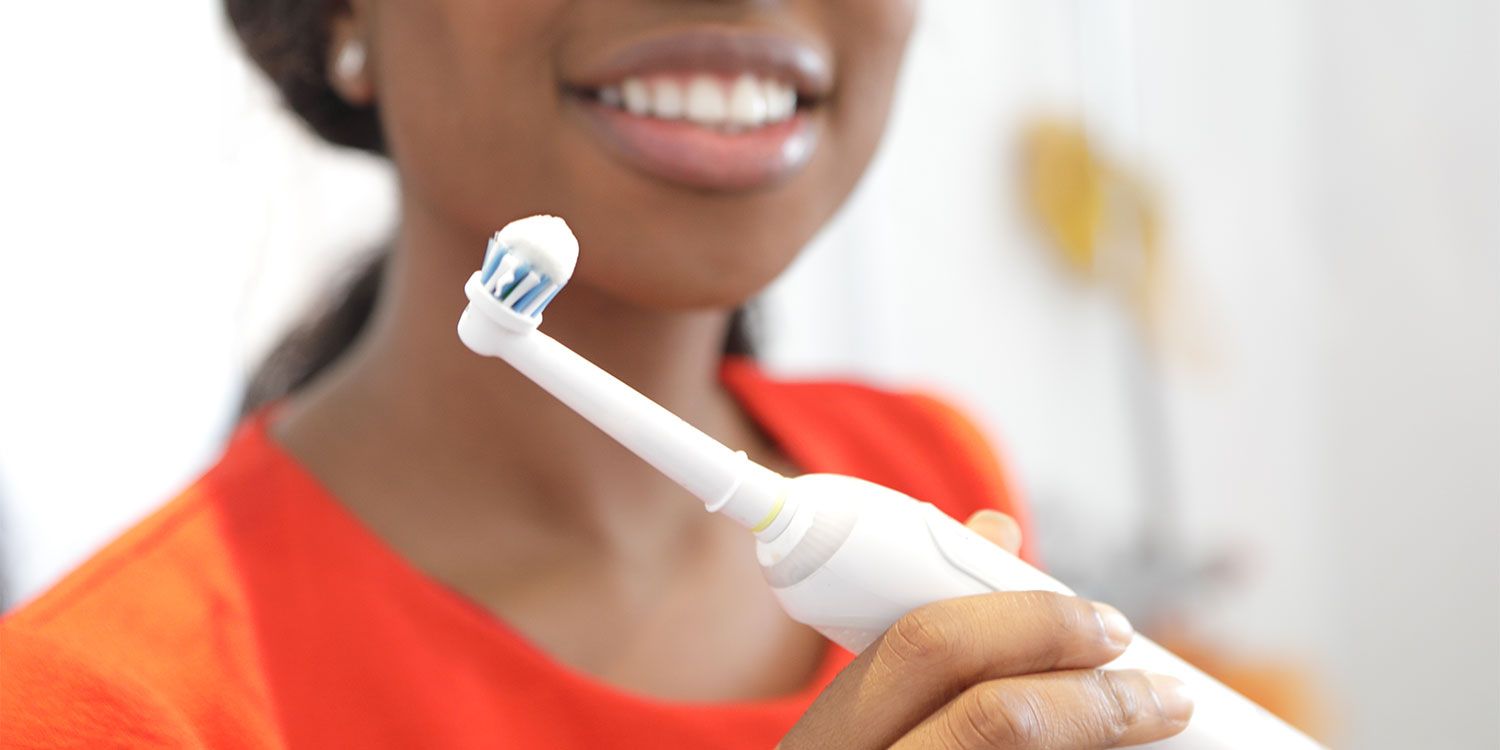
The Braces Challenge: Why Cleaning Gets Tricky
Braces, whether traditional metal, ceramic, or self-ligating, introduce a complex landscape to your mouth. The brackets, archwires, ligatures, and bands create numerous nooks and crannies where food particles and plaque can easily hide and accumulate. These “plaque traps” are prime breeding grounds for bacteria, significantly increasing your risk of developing cavities, white spots on your teeth, and gum inflammation (gingivitis) during your orthodontic treatment. Without meticulous cleaning, the very process designed to perfect your smile could inadvertently lead to new dental issues. This unique challenge demands an elevated approach to oral care.
Electric vs. Manual: The Clear Winner for Braces
When it comes to maintaining exceptional oral hygiene with braces, the debate between electric and manual toothbrushes often leans heavily in favor of the powered option. While a manual toothbrush can be effective with diligent technique and plenty of time, electric toothbrushes offer a distinct advantage. Their consistent power, speed, and specialized brush head designs provide a more thorough and efficient clean, especially in the hard-to-reach areas around brackets and wires. Studies consistently show that electric toothbrushes remove significantly more plaque than manual ones, which is crucial for preventing dental problems during your braces journey.
“For my patients with braces, I almost always recommend an electric toothbrush,” says Dr. Amelia Vance, a seasoned orthodontist with over two decades of experience. “The consistent motion and built-in timers simplify the cleaning process, helping individuals achieve a comprehensive clean that’s often difficult to replicate with manual brushing alone. It’s an investment in their long-term oral health and the success of their orthodontic treatment.”
Unveiling the Power: How Electric Toothbrushes Work with Braces
Electric toothbrushes leverage advanced technology to deliver superior cleaning. There are two primary types of electric toothbrushes commonly recommended for braces wearers:
- Oscillating-Rotating Technology: Often characterized by small, round brush heads, these toothbrushes rapidly oscillate (move back and forth) and rotate. This unique motion allows the brush head to cup each tooth and bracket individually, effectively scrubbing away plaque and food debris from all surfaces. Their compact size makes them particularly adept at maneuvering around the intricate structure of braces.
- Sonic Technology: These toothbrushes utilize high-frequency vibrations to clean teeth. Instead of direct scrubbing, the bristles vibrate at incredibly high speeds, creating dynamic fluid action that dislodges plaque and bacteria not only from the tooth surface but also in hard-to-reach areas between teeth and along the gum line, even slightly beyond where the bristles physically touch. Many users find sonic toothbrushes to be gentler, which can be beneficial for sensitive gums often associated with braces adjustments.
Both technologies offer distinct benefits for people with braces, making it easier to maintain cleanliness where manual brushes often fall short. Their consistent, powerful movements significantly reduce the effort required to achieve a clean mouth.
Key Features to Look for in an Electric Toothbrush for Braces
Choosing the right Electric Toothbrush For Braces can feel overwhelming with the myriad options available. Here’s what to prioritize:
- Small, Orthodontic-Friendly Brush Heads: Look for brush heads specifically designed for orthodontic care, or those with a naturally small, round shape. These are essential for navigating around brackets and wires without causing damage or discomfort.
- Soft Bristles: Soft or extra-soft bristles are non-negotiable. They effectively clean teeth and braces without scratching enamel, irritating sensitive gums, or damaging orthodontic appliances. Some brands even offer V-shaped bristles designed to contour around brackets.
- Pressure Sensor: Your Gentle Guardian: Many electric toothbrushes feature a built-in pressure sensor that alerts you (via light, sound, or pulsation) if you’re brushing too hard. This is incredibly valuable for braces wearers, as excessive force can damage gums and even loosen brackets.
- Built-in Timer: Ensuring Thoroughness: Most electric toothbrushes include a 2-minute timer, often with 30-second quadrant timers, to ensure you brush all areas of your mouth evenly for the dentist-recommended duration. This prevents rushing through your cleaning routine, which is especially important with braces.
- Multiple Cleaning Modes: From Daily Clean to Sensitive Care: Braces can sometimes cause gum sensitivity, especially after adjustments. Toothbrushes with multiple modes, including a “sensitive” or “gum care” setting, can provide a more comfortable brushing experience while still delivering effective cleaning.
- Smart Features (AI, Bluetooth) for Personalized Feedback: Advanced models, like some Oral-B iO series brushes, offer AI-powered tracking and Bluetooth connectivity to guide your brushing in real-time. This feedback can help you improve your technique and ensure no spot is missed, proving incredibly helpful during orthodontic treatment.
Your Brushing Blueprint: Using Your Electric Toothbrush with Braces Correctly
Using an electric toothbrush with braces requires a slightly modified technique to maximize its effectiveness and ensure thorough cleaning without damage.
- Rinse First: Before you even turn on your toothbrush, rinse your mouth with water to dislodge any large food particles that might be clinging to your braces.
- Apply Toothpaste: Put a pea-sized amount of fluoride toothpaste on your brush head.
- Position at the Gum Line: Angle the brush head at a 45-degree angle to your gum line, cleaning the area where your teeth and gums meet.
- Clean Above the Brackets: Tilt the brush head downwards to clean the top surfaces of your brackets and the wire running along them. Slowly guide the brush head along this section, allowing the bristles to gently work around each bracket.
- Clean Below the Brackets: Now, tilt the brush head upwards to clean the bottom surfaces of your brackets and the wire. Move slowly, making sure the bristles reach under the wire if possible.
- Address All Surfaces: Don’t forget the biting surfaces of your teeth and the inner surfaces (tongue side) of both your top and bottom arches. These areas are just as prone to plaque buildup.
- The 2-Minute Rule (and Quadrants): Most electric toothbrushes have a built-in timer. Spend approximately 30 seconds on each quadrant of your mouth (upper right, upper left, lower right, lower left). Let the brush do the work; you simply guide it.
- Be Gentle, Not Forceful: Let the electric toothbrush’s power do the cleaning. Do not scrub aggressively, especially if your brush has a pressure sensor.
Beyond the Brush: Essential Tools for a Braces-Friendly Routine
While an electric toothbrush is a powerful ally, a truly comprehensive oral hygiene routine with braces requires a few additional tools:
- Interdental Brushes: These tiny, cone-shaped brushes are perfect for cleaning between brackets and under archwires, reaching spots your toothbrush might miss.
- Floss Threaders and Orthodontic Floss: Traditional flossing can be tricky with braces. Floss threaders help you guide regular floss under your archwire, while orthodontic floss is often thicker or has a stiff end for easier maneuvering.
- Water Flossers: A water flosser uses a pressurized stream of water to dislodge food particles and plaque from around brackets, under wires, and between teeth. Many braces wearers find this tool incredibly effective and refreshing.
- Antimicrobial or Fluoride Mouthwash: Rinsing with a therapeutic mouthwash can help reduce bacteria, strengthen enamel, and fight gingivitis. Consult your orthodontist for a recommendation.
The Rewards of Diligence: Health Benefits of an Electric Toothbrush with Braces
Committing to a thorough oral care routine with an electric toothbrush while you have braces pays off in spades:
- Superior Plaque and Food Debris Removal: This is the primary benefit, significantly reducing the risk of dental complications.
- Reduced Risk of Cavities and White Spots: By consistently removing plaque, you protect your tooth enamel from decay and unsightly decalcification marks that can appear when braces are removed.
- Healthier Gums, Reduced Inflammation: Effective cleaning minimizes bacterial accumulation that leads to gum irritation, bleeding, and gingivitis.
- Fresher Breath: Fewer trapped food particles and less plaque mean a fresher mouth and more confident smile.
- A Brighter, More Confident Smile Post-Braces: Arriving at the end of your orthodontic treatment with healthy, clean teeth free from cavities and gum issues means you can truly celebrate your new, straight smile.
Maintaining Your Tools: Care Tips for Your Electric Toothbrush and Brush Heads
Just like your braces, your electric toothbrush needs a little TLC to perform at its best:
- Clean the Brush Handle: After each use, wipe down the handle of your electric toothbrush with a damp cloth to remove any toothpaste residue or splashes.
- Rinse the Brush Head Thoroughly: Rinse the brush head under running water after every brushing session to remove toothpaste and debris. You can also occasionally remove the head and rinse the connection point.
- Store Properly: Store your toothbrush upright in a clean, dry place to allow the bristles to air dry and prevent bacterial growth.
- Replace Brush Heads Regularly: This is critical! Brush heads should be replaced every three months, or even sooner if the bristles appear frayed or worn. Worn bristles are less effective at cleaning and can even be abrasive to your gums and braces.
Common Questions About Electric Toothbrushes and Braces
Q1: Can an electric toothbrush damage my braces?
No, an electric toothbrush will not damage your braces. Modern electric toothbrushes are designed to be safe and effective for use with orthodontic appliances, provided you use soft bristles and proper technique. In fact, many orthodontists recommend them for better cleaning.
Q2: Is a sonic or oscillating-rotating brush better for braces?
Both sonic and oscillating-rotating electric toothbrushes are highly effective for braces. Oscillating-rotating brushes, with their small, round heads, excel at cleaning around individual brackets. Sonic brushes use high-frequency vibrations for thorough plaque disruption and are often preferred for gum sensitivity. The “best” choice often comes down to personal preference and comfort.
Q3: How often should I brush with an electric toothbrush if I have braces?
It’s recommended to brush your teeth after every meal and before bed, ideally at least three times a day, for two minutes each time. This helps remove food particles promptly and prevents plaque buildup throughout the day.
Q4: What if my gums are sensitive with braces?
Gum sensitivity is common with braces, especially after adjustments. Use an electric toothbrush with soft bristles and a “sensitive” mode if available. Focus on gentle, thorough cleaning and consider using a warm salt water rinse or a therapeutic mouthwash for added comfort and gum health. Consult your orthodontist if sensitivity persists.
Q5: Are there special brush heads for braces?
Yes, many electric toothbrush brands offer specialized “ortho” brush heads designed with V-shaped or contoured bristles to better clean around brackets and wires. Look for these options when purchasing replacement heads for your electric toothbrush.
Conclusion
Embarking on your braces journey is a commitment to a healthier, more beautiful smile. While maintaining oral hygiene with orthodontic appliances presents unique challenges, an electric toothbrush is an invaluable tool that can simplify the process and significantly enhance your results. By understanding the benefits, choosing the right features, and mastering the proper technique, you’re not just brushing your teeth – you’re investing in the health and radiance of your future smile. So, embrace the power, stay consistent, and don’t hesitate to consult your orthodontist for personalized advice. Your healthy, dazzling smile is worth every effort!