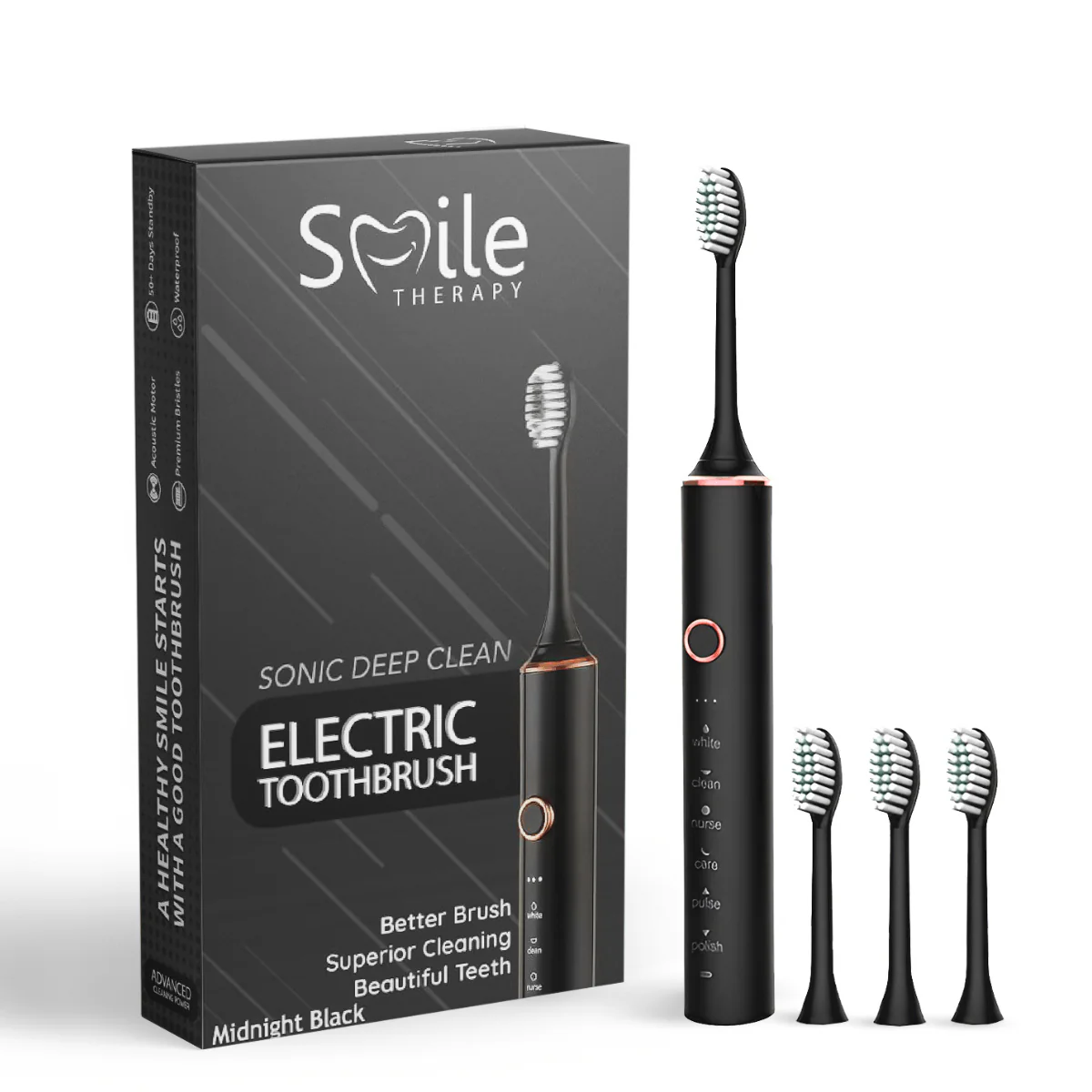
Dealing with sensitive teeth can feel like a constant battle, turning simple pleasures like a hot cup of coffee or an ice cream cone into a painful ordeal. Many people shy away from more advanced oral hygiene tools, fearing they might exacerbate the problem. But what if the right Electric Toothbrush For Sensitive Teeth could actually be your greatest ally, transforming your daily routine from a dread to a delight? It’s not just possible; it’s a reality for countless individuals who have found relief and superior cleaning with carefully chosen electric toothbrushes. This guide will help you understand how to navigate the world of electric toothbrushes and find the perfect one to bring comfort and confidence back to your smile.
Understanding Sensitive Teeth: Why It Happens
Tooth sensitivity, often a sharp, sudden pain, occurs when the softer, inner part of your tooth, called dentin, becomes exposed. Dentin contains thousands of microscopic tubules that lead to the tooth’s nerve center. When exposed, these tubules react to external stimuli like hot, cold, sweet, or acidic foods and drinks, as well as the pressure of brushing, sending signals of pain to the nerve. Common culprits for dentin exposure include receding gums, enamel erosion from acidic foods or aggressive brushing, and even tooth grinding. Proper, gentle brushing is paramount to manage sensitivity without further damaging delicate gum tissue or enamel.
The Evolution of Oral Care: From Manual to Electric
For generations, the manual toothbrush was our only option. While effective when used correctly, it often relied on inconsistent user technique, leading to varying levels of clean and sometimes, unintended damage. The advent of the electric toothbrush revolutionized oral hygiene, offering consistent, powerful cleaning with less effort. Early models provided basic oscillating or rotating motions, but today’s electric toothbrushes are marvels of engineering, incorporating advanced features that cater to a wide range of needs, including specific designs for sensitive teeth. They’ve moved beyond mere brushing, becoming sophisticated tools that guide you toward better oral health, efficiently removing plaque and promoting healthier gums.
What Makes an Electric Toothbrush Perfect for Sensitive Teeth?
Choosing an electric toothbrush for sensitive teeth means looking beyond the basic functions and focusing on features specifically designed to provide a gentle yet effective clean.
Key Features to Look For:
- Soft Bristles: This is non-negotiable. Always opt for brush heads clearly labeled “soft” or “extra soft.” Firmer bristles can irritate gums and abrade enamel, worsening sensitivity.
- Pressure Sensor: A game-changer for sensitive teeth. This feature alerts you, usually with a light or a change in vibration, when you’re brushing too hard. Many people unknowingly apply too much pressure, which can damage gums and expose more dentin. A pressure sensor acts as a silent guardian, ensuring a gentle touch.
- Sensitive Mode: Most quality electric toothbrushes offer multiple brushing modes. A dedicated “sensitive” mode reduces the speed and intensity of the brush head’s movements, providing an incredibly gentle cleaning experience that minimizes discomfort.
- Gentle Sonic Technology vs. Oscillating-Rotating:
- Sonic toothbrushes vibrate at very high frequencies, creating fluid dynamics that reach beyond the bristles to clean between teeth and below the gumline. Many dental professionals recommend sonic technology for sensitive teeth due to its gentler, sweeping motion.
- Oscillating-rotating toothbrushes clean by rotating, pulsating, and oscillating. While very effective, some users find the direct scrubbing action too intense for highly sensitive areas if not used correctly with minimal pressure.
- Timer and Pacer: A built-in two-minute timer ensures you brush for the dentist-recommended duration, while a 30-second pacer prompts you to move to different quadrants of your mouth. This helps prevent over-brushing one area, which can contribute to sensitivity.
“For patients with sensitive teeth, the combination of a pressure sensor and a dedicated sensitive mode is incredibly impactful. It empowers them to achieve a thorough clean without fear of discomfort or further damage to their enamel and gums.” – Dr. Elara Vance, DDS
Your Step-by-Step Guide to Brushing with an Electric Toothbrush for Sensitive Teeth
Using an electric toothbrush for sensitive teeth correctly is crucial for maximizing its benefits and ensuring comfort. It’s different from manual brushing; let the brush do the work!
- Preparation: Apply a pea-sized amount of fluoride toothpaste (preferably one designed for sensitive teeth) to the soft bristles of your brush head. Wetting the brush is optional but can help distribute toothpaste.
- Angle and Placement: Place the brush head at a 45-degree angle to your gum line, covering one or two teeth at a time. The bristles should gently touch both the tooth surface and the gum line.
- Technique – Let the Brush Do the Work: Turn on your electric toothbrush (preferably in sensitive mode). Do not scrub or apply force. Gently glide the brush head from tooth to tooth, allowing the vibrations or rotations to clean each surface. The pressure sensor will alert you if you press too hard.
- Movement: Slowly move the brush head across all surfaces of your teeth – outer, inner, and chewing surfaces. Follow the natural curve of your teeth and gums. The pacer will guide you on when to switch quadrants.
- Duration: Continue for the full two minutes as indicated by the built-in timer. Don’t rush; focus on being thorough and gentle.
- Rinse: After brushing, spit out the toothpaste and rinse your mouth thoroughly. Clean your brush head under running water.
Maximizing Longevity: Care and Maintenance Tips
To ensure your electric toothbrush for sensitive teeth continues to perform optimally and provides the gentlest clean, proper care and maintenance are essential.
- Replacing Brush Heads: The bristles wear down over time and become less effective, and sometimes even sharp, which can exacerbate sensitivity. Replace your brush head every three months, or sooner if the bristles appear frayed or splayed. Many brands have indicator bristles that fade to signal replacement.
- Cleaning Your Brush: After each use, rinse the brush head thoroughly under running water to remove toothpaste residue and debris. Wipe down the handle of your electric toothbrush regularly with a damp cloth to prevent buildup.
- Storage: Store your electric toothbrush upright in a clean, dry place, ideally with a cover for the brush head, to prevent bacterial growth and allow it to air dry. Avoid storing it in enclosed, damp spaces.
The Oral Health Revolution: Benefits for Sensitive Smiles
Embracing an electric toothbrush for sensitive teeth offers a host of significant advantages that extend beyond just a cleaner feel.
- Effective Plaque Removal Without Irritation: Electric toothbrushes, especially those with sonic technology, excel at dislodging plaque and food particles with minimal effort. This thorough cleaning reduces the bacteria that contribute to sensitivity, gum disease, and cavities, all while being gentle on vulnerable areas.
- Reducing Gum Inflammation: By gently cleaning along the gum line, electric toothbrushes can significantly reduce the plaque that causes gingivitis, leading to healthier, less inflamed gums. Healthier gums are less likely to recede, helping to protect exposed dentin.
- Protecting Enamel: With features like pressure sensors and sensitive modes, electric toothbrushes help prevent the aggressive brushing that can erode enamel over time. This preservation is vital for maintaining the tooth’s natural protective layer.
- Improved Overall Oral Hygiene: The consistent, guided cleaning provided by an electric toothbrush leads to a more comprehensive and consistent oral hygiene routine, which in turn supports long-term dental health and fewer instances of sensitivity.
“Many of my patients initially worry that an electric toothbrush will worsen their sensitivity. I always assure them that, with the right model featuring soft bristles and a pressure sensor, it can actually lead to a reduction in sensitivity over time by promoting healthier gums and more effective, gentler plaque removal.” – Dr. Elara Vance, DDS
Electric vs. Manual: A Gentle Showdown for Sensitive Teeth
When it comes to brushing sensitive teeth, the comparison between electric and manual toothbrushes often comes down to efficiency, control, and built-in safeguards.
| Feature | Manual Toothbrush | Electric Toothbrush for Sensitive Teeth |
|---|---|---|
| Plaque Removal | Depends entirely on user technique and diligence. | More effective and consistent plaque removal. |
| Pressure Control | Relies solely on user’s manual dexterity and awareness. | Built-in pressure sensors prevent excessive force. |
| Gum Health | Can cause recession if brushed too aggressively. | Gentle action promotes healthier gums, less recession. |
| Consistency | Varies from brush to brush, even for the same person. | Consistent speed and cleaning action every time. |
| Features | Basic cleaning. | Timers, sensitive modes, different brush heads. |
| User Effort | Requires more active effort and technique. | Brush does most of the work; simply guide it. |
While a manual toothbrush can be effective, an electric toothbrush for sensitive teeth offers significant advantages, especially for those who struggle with consistent brushing technique or tend to apply too much pressure. The automated motions and specialized features provide a level of care and protection that manual brushing simply cannot match.
Choosing Your Ideal Electric Toothbrush for Sensitive Teeth: A Checklist
Navigating the options can be overwhelming, but this checklist will help you pinpoint the best electric toothbrush for sensitive teeth for your specific needs:
- Bristle Type: Does it come with or accept “soft” or “extra soft” brush heads?
- Pressure Sensor: Is there a visible or audible alert for excessive pressure?
- Sensitive Mode: Does it offer a dedicated, lower-intensity brushing mode?
- Technology: Is it a sonic toothbrush (often favored for sensitivity) or an oscillating-rotating with a proven gentle sensitive mode?
- Timer & Pacer: Does it have a two-minute timer and 30-second quadrant pacer?
- Dentist Recommendation: Have you discussed options with your dentist? They can offer personalized advice.
- Battery Life: Is the battery life sufficient for your travel and daily needs?
- Brand Reputation: Does the brand have a good track record for oral hygiene products?
Frequently Asked Questions About Electric Toothbrushes for Sensitive Teeth
Q1: Can an electric toothbrush really help sensitive teeth?
A: Yes, absolutely! An electric toothbrush for sensitive teeth, equipped with soft bristles, a pressure sensor, and a sensitive mode, can significantly help by providing a gentle yet effective clean that removes plaque without irritating gums or eroding enamel.
Q2: What type of electric toothbrush is best for sensitivity?
A: Many dental professionals recommend sonic electric toothbrushes for sensitive teeth due to their gentle, high-frequency vibrations that clean effectively without requiring harsh scrubbing. However, oscillating-rotating brushes with strong sensitive modes and pressure sensors are also excellent choices.
Q3: How often should I replace the brush head for sensitive teeth?
A: You should replace your brush head every three months, or sooner if you notice the bristles fraying or splaying. Worn bristles can be less effective and potentially irritate sensitive gums and teeth.
Q4: Is a pressure sensor truly necessary?
A: For sensitive teeth, a pressure sensor is highly recommended. It acts as a safeguard, alerting you when you’re brushing too hard, which is a common cause of gum recession and enamel erosion that can worsen sensitivity.
Q5: Will using an electric toothbrush worsen my sensitivity?
A: If you choose an appropriate electric toothbrush for sensitive teeth with the right features (soft bristles, sensitive mode, pressure sensor) and use it correctly, it is very unlikely to worsen your sensitivity. In fact, many users report a reduction in sensitivity over time due to improved gum health and gentler cleaning.
Q6: Can kids with sensitive teeth use an electric toothbrush?
A: Yes, many brands offer electric toothbrushes designed specifically for children, often with extra-soft bristles, smaller heads, and gentle modes. If your child has sensitive teeth, consult their dentist for suitable recommendations.
Q7: Where can I get personalized advice on choosing a brush?
A: Your dentist or dental hygienist is the best source for personalized advice. They can assess your specific oral health needs and recommend an electric toothbrush for sensitive teeth that will best suit you.
Conclusion
Say goodbye to the discomfort of sensitive teeth and hello to a cleaner, healthier, and more confident smile. The right electric toothbrush for sensitive teeth isn’t just a gadget; it’s a powerful tool designed to protect your enamel, soothe your gums, and deliver an unparalleled clean without the pain. By choosing a model with soft bristles, a pressure sensor, and a sensitive mode, you can transform your daily oral hygiene into a comfortable and highly effective routine. Don’t let sensitivity hold you back any longer; consult your dental professional, explore the options, and embrace the future of gentle, effective oral care. Your sensitive smile deserves the best!