Stepping into the world of electric toothbrushes can feel a bit like navigating a maze, especially when it comes to the “Electric Toothbrush Price.” You might see options ranging from what seems like a casual purchase to a significant investment, leaving you to wonder: what truly dictates the cost, and is a higher price always synonymous with a better clean? This article will guide you through the intricacies of electric toothbrush pricing, helping you understand the value behind each tag and make an informed decision for your oral health.
The Evolution of Oral Care: From Manual to Electric
For generations, the manual toothbrush was our sole companion in the daily fight against plaque. Simple, effective in skilled hands, and undeniably affordable, it held its reign. However, as technology advanced, so did our understanding of optimal oral hygiene, paving the way for the electric toothbrush. These innovative devices offered a consistent, powerful, and often more effective clean, promising to reach areas a manual brush might miss and removing significantly more plaque. The convenience and superior results quickly captivated consumers, transforming the electric toothbrush from a novelty into a staple of modern dental care.
Understanding the Electric Toothbrush Price Spectrum
The “electric toothbrush price” isn’t a single, fixed number; it’s a broad spectrum reflecting a diverse range of features, technologies, and brands.
Entry-Level Options (Budget-Friendly)
Starting around $17 to $40, these models are fantastic entry points into electric brushing. They typically offer the core benefits: a motorized head, a built-minute timer to ensure you brush for the recommended two minutes, and often a single brushing mode. Think of models like the Oral-B Pro 1000, which offers oscillating-rotating action and a basic timer, providing a significant upgrade from a manual brush without breaking the bank. These brushes focus on fundamental plaque removal and are excellent for those new to electric toothbrushes or who prefer simplicity.
Mid-Range Models (Balancing Value and Features)
As you move into the $65 to $130 range, the “electric toothbrush price” begins to reflect added convenience and improved performance. These toothbrushes might feature multiple brushing modes (e.g., daily clean, sensitive, whitening), better battery life, and sometimes a pressure sensor to prevent over-brushing, which is a game-changer for protecting gums and enamel. Brands like Oral-B’s iO3 or iO6 series often fall into this category, offering a blend of advanced features and affordability. They cater to users looking for more tailored brushing experiences and enhanced oral care without jumping to the very top tier.
Premium & Smart Toothbrushes (High-End Innovation)
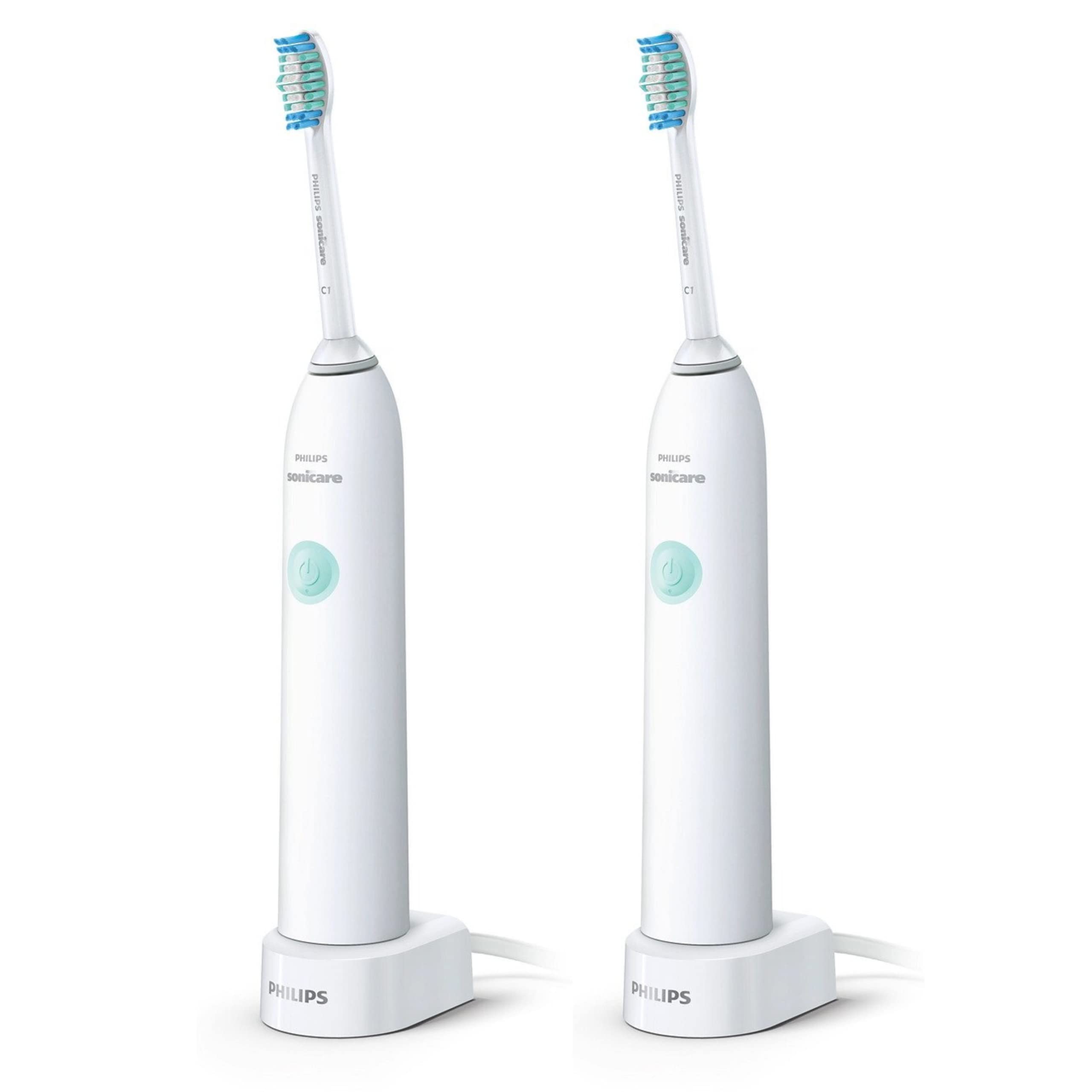
At the pinnacle of the “electric toothbrush price” spectrum, often ranging from $150 to $300 or even higher, you’ll find models packed with cutting-edge technology. These are the “smart” toothbrushes, featuring Bluetooth connectivity to smartphone apps that provide real-time feedback on brushing technique, AI guidance, customizable brushing modes, smart displays, and sometimes UV sanitizing cases or premium travel chargers. Examples include the Philips Sonicare Prestige 9900 or Oral-B’s iO9. These high-end devices are designed for the tech-savvy user who desires the most comprehensive and personalized brushing experience, seeking to optimize every aspect of their oral health routine.
What Drives the Electric Toothbrush Price Tag?
Many factors contribute to the varying “electric toothbrush price” points you see on the market. It’s more than just the brush itself; it’s an ecosystem of innovation, materials, and user experience.
Brand Reputation and R&D
Established brands like Philips Sonicare and Oral-B have invested heavily in research and development for decades. This includes clinical trials, material science, and motor technology, all of which contribute to the higher “electric toothbrush price” but also to the perceived quality, reliability, and trustworthiness of their products. Newer, smaller brands may offer competitive prices by innovating differently or focusing on specific niches, but the heritage of leading brands often commands a premium.
Technology and Advanced Features
The internal workings and added functionalities play a huge role.
- Motor Technology: Sonic electric toothbrushes, known for high-frequency vibrations (up to 40,000 strokes per minute), often cost more than oscillating-rotating models. Advanced motors provide superior plaque removal and a gentler experience.
- Pressure Sensors: A common feature in mid to high-end brushes, this alerts you if you’re brushing too hard, protecting your gums and teeth.
- Brushing Modes: Multiple modes (sensitive, gum care, whitening, deep clean) allow for a customized brushing experience.
- App Connectivity & AI: “Smart” toothbrushes connect to apps via Bluetooth, offering real-time feedback, personalized coaching, and tracking of brushing habits. Some even incorporate AI to detect missed spots, further justifying a higher “electric toothbrush price.”
Battery Life and Charging Innovations
The type of battery and charging system also impacts the cost. Basic models might use AA batteries or have shorter-lived rechargeable batteries. Premium electric toothbrushes, however, typically feature long-lasting lithium-ion batteries that can hold a charge for weeks, sometimes even a month or more. Fast-charging docks, USB-C compatibility, and sophisticated UV sanitizing travel cases that charge and clean simultaneously are also features that contribute to a higher “electric toothbrush price.”
Material Quality and Durability
The construction of the toothbrush matters. Higher-end models often use more durable, premium materials for both the handle and internal components, leading to a longer lifespan. Features like IPX7 waterproofing, which means the brush can be submerged in water, contribute to durability and, consequently, a higher cost. A sturdy, well-designed handle can also enhance the user experience and justify the investment.
Accessories and Design
The extras count. A quality travel case, multiple brush heads for different purposes, or a sleek, ergonomic design can add to the “electric toothbrush price.” Some brands focus on aesthetics and compact designs, making the toothbrush a statement piece in your bathroom or a convenient travel companion. For instance, some newer, stylish models like SURI offer a minimalist design alongside powerful cleaning, often falling into a mid-to-high “electric toothbrush price” bracket.
Production Scale and Market Positioning
The sheer volume of production can affect the unit cost. Larger manufacturers benefit from economies of scale, potentially allowing them to offer more competitive prices even with advanced features. Moreover, a brand’s market positioning—whether they aim for mass appeal with budget-friendly options or target a niche premium market—directly influences its pricing strategy for electric toothbrushes.
The Hidden Costs: Replacement Brush Heads
When considering the “electric toothbrush price,” it’s crucial to factor in the ongoing cost of replacement brush heads. These aren’t just an accessory; they’re essential for effective cleaning and maintaining oral hygiene. Dentists recommend changing your brush head every three months, or sooner if the bristles become frayed.
The cost of replacement brush heads can vary significantly by brand and type. A pack of three to five heads from leading brands like Oral-B or Philips Sonicare can range from $30 to $40. While generic alternatives might be cheaper, they may not offer the same quality or fit, potentially compromising cleaning effectiveness. This recurring expenditure is a vital part of the long-term “electric toothbrush price” and should be accounted for in your budget.
Is an Expensive Electric Toothbrush Worth the Investment?
This is the million-dollar question for many consumers. Is the higher “electric toothbrush price” truly justified by better performance and benefits?
Many studies and dental professionals agree that any electric toothbrush, regardless of its “electric toothbrush price,” generally offers a more effective clean than a manual one, especially for plaque removal and gum health. The consistent motion and built-in timers simplify the brushing process, making it easier to achieve a thorough clean.
However, the debate between cheap and expensive models often comes down to enhancements rather than fundamental cleaning power. A basic electric toothbrush will effectively remove plaque. An expensive one, with its multiple modes, pressure sensors, and smart features, might make the cleaning process more efficient, personalized, and engaging. For example, the real-time feedback from a smart toothbrush app can genuinely help users improve their brushing technique and identify missed areas, leading to superior long-term oral health outcomes.
As Dr. Elena Petrova, a leading dental hygienist and oral care consultant, often advises, “While a high-end electric toothbrush offers advanced features that can enhance your brushing experience and provide valuable insights, the most crucial factor remains consistent, proper technique. Even a more affordable electric toothbrush can deliver excellent results if used correctly and regularly.” Ultimately, the value of an expensive electric toothbrush lies in how much you utilize its advanced features and whether those features translate into better habits for you. If you’re a tech enthusiast who thrives on data and personalized guidance, a premium model might be a worthwhile investment. If you prefer simplicity and consistent, effective cleaning, a mid-range or even entry-level option will serve you well.
Tips for Finding the Best Electric Toothbrush Price for You
Navigating the various “electric toothbrush price” points and options can be simplified with a strategic approach:
- Prioritize Your Needs: Before looking at prices, consider what’s most important for your oral health. Do you have sensitive gums? Are you prone to plaque buildup? Do you want smart features to track your progress? Your specific needs should guide your choice of features.
- Research Features, Not Just Price: Understand what each feature offers. A pressure sensor might be invaluable for someone who brushes too hard, justifying a slightly higher cost. Multiple modes could benefit someone with varying oral health concerns.
- Look for Sales and Bundles: Electric toothbrushes are frequently on sale, especially during holiday periods or special promotions. Retailers often offer bundles that include extra brush heads or a travel case at a reduced overall “electric toothbrush price.”
- Consider Long-Term Costs: Remember the cost of replacement brush heads. Some brands offer subscription services for heads, which can sometimes provide a discount. Factor this into your annual oral care budget.
- Read Reviews: Consumer and dental professional reviews can offer insights into the actual performance and durability of toothbrushes at various price points, helping you gauge value.
Frequently Asked Questions
What is the average electric toothbrush price?
The average “electric toothbrush price” varies widely, but typically ranges from $25 for basic models to over $300 for premium, smart toothbrushes with advanced features. Mid-range options usually fall between $65 and $130.
Why are some electric toothbrushes so much more expensive?
Higher “electric toothbrush price” tags are generally due to advanced features like superior motor technology (e.g., high-frequency sonic vibrations), multiple brushing modes, smart app connectivity with AI guidance, long-lasting lithium-ion batteries, premium materials, sophisticated charging options (like UV sanitizing cases), and extensive research and development by established brands.
Are cheap electric toothbrushes effective?
Yes, many budget-friendly electric toothbrushes are highly effective. They provide consistent brush strokes and often include a built-in timer, making them a significant improvement over manual toothbrushes for plaque removal and overall oral hygiene. While they may lack advanced features, their core cleaning capability is strong.
How often do I need to replace electric toothbrush heads, and what’s the cost?
It’s recommended to replace electric toothbrush heads every three months, or sooner if the bristles appear worn or frayed. The cost for a pack of three to five replacement heads from major brands typically ranges from $30 to $40, adding to the ongoing “electric toothbrush price” of ownership.
Can I get a good electric toothbrush for under $50?
Absolutely! Many excellent electric toothbrushes are available for under $50. These models often provide essential features like a powerful motor and a 2-minute timer, delivering an effective clean that significantly surpasses manual brushing. Look for reputable brands offering entry-level rechargeable options.
Conclusion
The “electric toothbrush price” reflects a spectrum of innovation, from essential plaque removal to sophisticated, personalized oral care. While a higher price often brings advanced features and smart technology, the fundamental benefit of consistent, effective cleaning is accessible across various price points. Your journey to a brighter, healthier smile doesn’t necessarily demand the most expensive model on the shelf. Instead, it calls for understanding your needs, considering the value each feature brings, and ultimately, committing to consistent and proper brushing technique. Whether you choose a budget-friendly option or a high-tech marvel, investing in an electric toothbrush is an investment in your long-term oral health. So, find the right balance for your budget and dental goals, and embrace the future of oral care.