Have you ever wondered if you’re brushing your teeth too hard, potentially damaging your gums and enamel? You’re not alone. Many of us instinctively apply more pressure than necessary, believing it leads to a cleaner feel. However, this aggressive approach can have detrimental effects on your long-term oral health. This is precisely where an Electric Toothbrush With Pressure Sensor steps in as a vital tool, transforming your daily routine into an optimized, safe, and highly effective cleaning experience. It’s not just a fancy feature; it’s a guardian for your smile, ensuring you brush just right, every single time.
A Brief History of Electric Toothbrushes
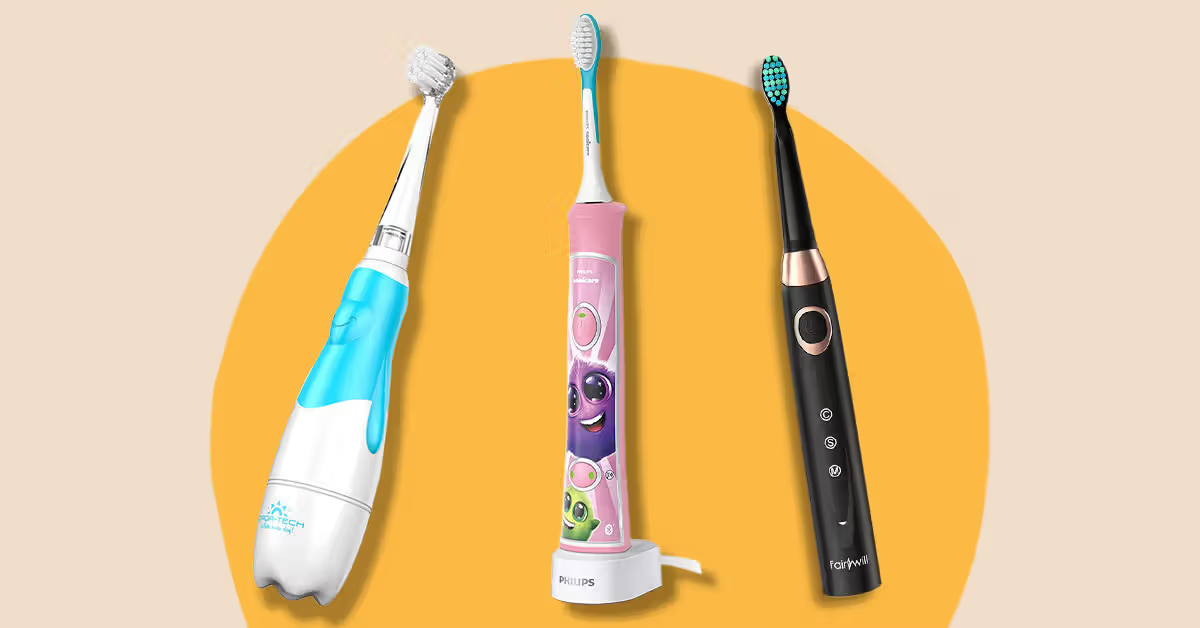
The journey of the toothbrush from a simple twig to a sophisticated gadget is fascinating. For centuries, people relied on manual brushes, which required skill and consistency to be truly effective. The advent of the electric toothbrush in the mid-20th century marked a significant leap forward, promising superior plaque removal with less effort. Early models were rudimentary, but they laid the groundwork for the advanced devices we have today. Over the decades, technology has refined these tools, introducing features like timers, multiple brushing modes, and eventually, the ingenious pressure sensor, making oral hygiene more accessible and safer for everyone.
Understanding Your Electric Toothbrush with a Pressure Sensor
So, what exactly is an electric toothbrush with pressure sensor, and why should it be a non-negotiable feature for your next brush? Simply put, a pressure sensor is a built-in mechanism designed to detect if you’re applying too much force while brushing your teeth. If you press too hard, the sensor provides immediate feedback to alert you. This feedback can come in various forms:
- Visual Alert: A light ring on the brush handle often illuminates, typically in red, to signal excessive pressure.
- Auditory Alert: Some brushes emit a sound or change their motor tone.
- Tactile Alert: Many models will briefly stop or reduce their pulsating or oscillating movements until the pressure is eased.
This ingenious technology is paramount because consistent over-brushing can lead to serious oral health issues, including gum recession, enamel erosion, and increased tooth sensitivity. Whether you prefer a sonic electric toothbrush, which uses high-frequency vibrations to create dynamic fluid action, or an oscillating-rotating brush that cups and cleans each tooth individually, the integration of a pressure sensor elevates its protective capabilities. It ensures that the advanced cleaning power is always delivered gently and effectively, preventing damage while maximizing cleanliness.
The Undeniable Oral Health Benefits of a Pressure Sensor
Integrating an electric toothbrush with pressure sensor into your daily routine offers a wealth of benefits that go far beyond just cleaning your teeth. It’s an investment in the longevity and health of your entire mouth:
- Protecting Gums and Preventing Recession: Over-brushing is a leading cause of gum recession, where the gum tissue pulls away from the teeth, exposing the roots. A pressure sensor actively prevents this by signaling you to ease up, keeping your gums healthy and intact.
- Preventing Enamel Erosion: Your tooth enamel, the hard, protective outer layer, can be worn down by aggressive brushing. Once enamel is gone, it doesn’t grow back. The pressure sensor safeguards this precious layer, preserving your teeth’s natural defense against cavities and sensitivity.
- Optimal Plaque Removal Without Damage: The goal of brushing is to remove plaque. An electric toothbrush is already highly efficient at this, and with a pressure sensor, you can achieve superior plaque removal without the risk of causing harm. It ensures you’re brushing effectively, not just forcefully.
- Reducing Sensitivity and Improving Gum Health: By preventing gum recession and enamel erosion, a pressure sensor helps reduce tooth sensitivity over time. Healthier gums are less likely to bleed or become inflamed, contributing to overall improved gum health.
Dr. Elena Ramirez, a distinguished periodontist, emphasizes the importance of this feature: “Brushing too hard is a silent enemy to gum health. Many patients aren’t even aware they’re doing it. An electric toothbrush with a pressure sensor acts as a constant, gentle reminder, truly revolutionizing how people approach their oral hygiene and preventing long-term damage.”
Mastering Your Brush: How to Use an Electric Toothbrush with a Pressure Sensor Effectively
Getting the most out of your electric toothbrush with pressure sensor is all about understanding the technique. It’s surprisingly simple once you get the hang of it, and it will redefine your brushing habits:
- Get Started Right: First, make sure your toothbrush is fully charged. Wet the brush head lightly and apply a pea-sized amount of toothpaste.
- The Gentle Glide Technique: Instead of scrubbing, hold the brush at a slight angle towards your gumline. Guide the brush head slowly from tooth to tooth, allowing it to do all the work. There’s no need to apply pressure – the bristles should just lightly touch your teeth and gums.
- Responding to the Pressure Sensor: Pay attention to your brush’s feedback. If you see a red light, hear a different sound, or feel the vibrations lessen, it means you’re pressing too hard. Immediately ease up on the pressure until the alert stops. This instantaneous feedback loop is crucial for learning and correcting your technique.
- Brushing Duration and Areas: Use the built-in timer (most electric toothbrushes have one) to ensure you brush for the recommended two minutes, spending 30 seconds in each quadrant of your mouth. Remember to reach all surfaces – outer, inner, and chewing surfaces of your teeth.
With consistent use, the pressure sensor will train you to brush with the optimal light touch, making proper technique second nature.
Beyond the Brush Head: Maintenance and Care Tips
Taking good care of your electric toothbrush with pressure sensor ensures its longevity and maintains its effectiveness.
- Cleaning Your Brush and Brush Head: After each use, rinse the brush head thoroughly under running water. Remove the brush head periodically and clean the handle top, making sure no toothpaste residue builds up, as this can affect performance.
- When to Replace Brush Heads: Dentists recommend replacing your brush head every three months, or sooner if the bristles appear frayed or worn. Worn bristles are less effective at cleaning and can also become abrasive.
- Battery Care: Follow the manufacturer’s instructions for charging. While many modern electric toothbrushes feature long-lasting batteries, regular charging according to guidelines helps extend the battery’s lifespan.
Electric vs. Manual: Why the Pressure Sensor Tips the Scale
The debate between electric and manual toothbrushes has long been settled in favor of electric, especially when considering a feature like the pressure sensor.
- Efficiency in Plaque Removal: Electric toothbrushes are consistently more effective at removing plaque and reducing gingivitis than manual brushes. Their high-speed movements, whether oscillating-rotating or sonic, do a far superior job of cleaning.
- Consistency and Ease of Use: Electric toothbrushes simplify the brushing process, ensuring consistent cleaning across all teeth without requiring specific manual techniques. The built-in timers and quadrant guides help users brush for the optimal duration.
- The Safety Net of a Pressure Sensor: This is where an electric toothbrush with pressure sensor truly shines. It eliminates the guesswork and risk associated with manual brushing pressure, providing a protective layer that manual brushes simply cannot offer. It transforms a potentially damaging habit into a healthy one.
Choosing the Right Electric Toothbrush with a Pressure Sensor
When you’re ready to invest in an electric toothbrush with pressure sensor, consider these factors to find the perfect fit for your needs:
- Features to Look For: Beyond the pressure sensor, consider battery life, multiple brushing modes (e.g., sensitive, whitening, gum care), and smart features like Bluetooth connectivity to an app for tracking your brushing habits. These can enhance your overall oral care routine.
- Considering Brush Head Types: Different brands offer various brush head shapes and bristle configurations. Some are designed for general cleaning, while others target specific concerns like sensitive gums or orthodontic appliances. Experiment to find what feels most comfortable and effective for you.
- Budget and Brand Reputation: Electric toothbrushes come in a wide range of price points. While a higher price often correlates with more features, excellent options are available across all budgets. Research reputable brands known for their dental hygiene products. You can find a vast selection and detailed reviews on platforms like Amazon to help you compare and make an informed decision.
Dr. Michael Chen, a general dentist with over two decades of experience, advises, “Don’t just pick any brush; invest in one that truly safeguards your smile. An electric toothbrush with a pressure sensor is a wise choice for anyone serious about protecting their teeth and gums from the common pitfalls of over-brushing.”
Frequently Asked Questions About Pressure Sensors
Here are some common questions people have about electric toothbrushes with pressure sensors:
Q: Can I turn off the pressure sensor on my electric toothbrush?
A: Most electric toothbrushes with pressure sensors do not allow you to turn the sensor off, as it’s a core safety feature designed to protect your gums and teeth. Its continuous operation ensures you always brush with optimal pressure.
Q: Are all pressure sensors the same?
A: While the core function is the same – to alert you of excessive pressure – the way different brands and models provide feedback can vary. Some use light, others vibrations, and some combine both. The sensitivity can also differ slightly.
Q: How do I know if my electric toothbrush has a pressure sensor?
A: Check the product specifications or the instruction manual. Many brushes with this feature will highlight it prominently, often showing a visual indicator like a red light ring on the handle.
Q: Is it okay to feel the sensor activate occasionally?
A: Yes, it’s perfectly normal to trigger the pressure sensor sometimes, especially when first getting used to your brush. The key is to learn from the feedback and adjust your pressure immediately.
Q: Will a pressure sensor fix my bad brushing habits immediately?
A: A pressure sensor provides immediate feedback to help correct bad habits, but consistent practice is key. It acts as a guide, training you over time to develop a gentler and more effective brushing technique.
Embrace a Smarter, Safer Clean
The electric toothbrush with pressure sensor is more than just a gadget; it’s a testament to how technology can genuinely improve our health and well-being. By providing real-time feedback and protecting your delicate gum tissue and tooth enamel, it removes the guesswork from brushing and empowers you to achieve a superior clean without harm. It’s a crucial tool for anyone looking to optimize their oral hygiene routine, prevent common dental issues, and enjoy a healthier, brighter smile for years to come. Take the leap and experience the difference a smart, safe clean can make. Your smile will thank you for it!