Stepping into the world of electric toothbrushes can feel like a revelation for your oral health routine. For years, you might have relied on a manual brush, but if you’re looking for a genuine upgrade that promises a cleaner feel and healthier smile, finding a Good Electric Toothbrush is an excellent starting point. These innovative devices do more than just clean; they elevate your entire oral care game, making brushing more efficient, effective, and even enjoyable. This comprehensive guide will walk you through everything you need to know, from the technology powering these gadgets to the essential features that make a truly good electric toothbrush, ensuring you pick the perfect partner for your pearly whites.
Why Make the Switch? The Unbeatable Benefits of Electric Toothbrushes
So, what’s the big deal about electric toothbrushes? Well, imagine a device that takes the guesswork out of brushing, ensuring you hit all the right spots with the right amount of pressure for the optimal time. That’s precisely what a good electric toothbrush delivers. Studies reveal that electric toothbrushes are significantly more effective than their manual counterparts, removing 21% more plaque and reducing gum disease by 11% more effectively.
Here are some key benefits that highlight why opting for a good electric toothbrush is a smart move:
- Superior Plaque Removal: The rapid, consistent motions of an electric brush dislodge plaque and debris far more efficiently than manual scrubbing.
- Optimized Brushing Technique: Most come with built-in timers that ensure you brush for the dentist-recommended two minutes, often with quadrant pacers that alert you to move to a different section of your mouth every 30 seconds. This ensures thorough, even cleaning.
- Healthier Gums: Many models feature pressure sensors that warn you if you’re brushing too hard, protecting your gums from damage and recession. This is a game-changer for long-term gum health.
- Ease of Use: For individuals with limited dexterity, arthritis, or even children and seniors, an electric toothbrush simplifies the brushing process, doing most of the work for you.
- Ideal for Specific Dental Needs: If you have braces, implants, or other dental work, the precise cleaning action of an electric toothbrush can make maintenance much easier.
A Look Back: The Evolution of Oral Care
From primitive chew sticks to the modern manual toothbrush, humanity’s quest for clean teeth has a long history. However, the introduction of the electric toothbrush in the mid-20th century marked a significant leap forward. Early models were bulky and simple, but decades of innovation have transformed them into sophisticated oral hygiene tools. Today’s good electric toothbrush often integrates advanced technologies, smart features, and ergonomic designs, reflecting a continuous evolution aimed at enhancing our daily dental routines and improving overall oral health.
Understanding the Technology: Types of Good Electric Toothbrushes
When you’re searching for a good electric toothbrush, you’ll primarily encounter two main types of brushing technology: oscillating-rotating and sonic. Both are highly effective, but they offer different cleaning experiences.
Oscillating-Rotating Toothbrushes
Imagine a small, round brush head that moves in rapid circles, oscillating back and forth to physically scrub and break up plaque on each tooth. That’s the hallmark of an oscillating-rotating toothbrush, famously used by brands like Oral-B. These brushes are known for their robust cleaning ability, effectively tackling plaque and contributing to a healthy gum line. Some users find the focused, intense cleaning action particularly satisfying, and they can be a great choice for reaching tricky spots.
Sonic Toothbrushes
In contrast, sonic toothbrushes feature a brush head that often resembles a manual toothbrush, but it vibrates at incredibly high frequencies—tens of thousands of strokes per minute. This rapid vibration creates dynamic fluid action, generating micro-bubbles of toothpaste and saliva that reach deep between teeth and along the gum line, effectively lifting away plaque and debris. Brands like Philips Sonicare and SURI often employ sonic technology. Users typically describe the sensation as a gentle, massaging feel.
Which one is a good electric toothbrush for me?
Ultimately, both oscillating-rotating and sonic technologies are dentist-recommended and excel at plaque removal. The choice largely comes down to personal preference for the brushing sensation and specific dental needs. Some prefer the direct scrubbing of an oscillating brush, while others enjoy the gentle, sweeping motion of a sonic brush. Trying both types, if possible, can help you decide which feels more comfortable and effective for you.
Key Features That Define a Good Electric Toothbrush
Beyond the core technology, several features are crucial for a good electric toothbrush. These elements ensure optimal performance, comfort, and protection for your teeth and gums.
- Soft Bristles: This is non-negotiable. Always choose a brush head with soft bristles. Medium or hard bristles can erode enamel and cause gum recession, leading to serious dental issues. Soft bristles are gentle yet effective, capable of cleaning below the gum line and between teeth.
- Pressure Sensor: A truly good electric toothbrush will have a pressure sensor. This vital feature alerts you (often with a light or vibration, or by automatically reducing speed) if you’re brushing too hard. Aggressive brushing is a leading cause of gum damage and enamel abrasion, so this sensor is your oral health guardian.
- Built-in Timer & Quadrant Pacer: Dentists recommend brushing for two full minutes. A built-in timer ensures you meet this target. Many brushes also include a 30-second pacer that signals when to move to the next quadrant of your mouth, guaranteeing an even and comprehensive clean.
- Brush Modes: While not all modes are strictly necessary, a good electric toothbrush often offers options like “Daily Clean,” “Sensitive,” and “Gum Care.” These modes typically vary the intensity or speed of vibrations, allowing for a customized cleaning experience based on your specific needs.
- Battery Life: Who wants a dead toothbrush? Look for a rechargeable model with a long-lasting battery, ideally one that provides at least 10 days to 2-3 weeks of use on a single charge. Some sustainable options even boast 4-6 weeks of battery life, perfect for travel. USB charging and travel cases add to the convenience.
- Replaceable Brush Heads: For optimal hygiene and effectiveness, electric toothbrush heads should be replaced every three months, or sooner if the bristles appear frayed. A good electric toothbrush system will offer readily available and affordably priced replacement heads, often with various styles for different needs (e.g., whitening, interspace cleaning).
- Ergonomics: The brush should feel comfortable and secure in your hand, with a good grip that prevents slipping during use.
- ADA Seal of Acceptance: This seal from the American Dental Association signifies that the product has been tested for safety and effectiveness, giving you an extra layer of confidence in your choice.
Beyond the Basics: Smart Features and Sustainability
In today’s tech-driven world, a good electric toothbrush can offer more than just basic cleaning. Many advanced models incorporate “smart” features and also consider environmental impact.
Smart Features & Connectivity
Modern electric toothbrushes are becoming incredibly intelligent. Many come with Bluetooth connectivity that links to a smartphone app. These apps offer real-time feedback on your brushing technique, highlighting missed areas, tracking your brushing patterns, and even guiding you to improve your coverage and pressure. Some even provide personalized coaching and reminders for flossing or brush head replacement. While not essential for everyone, these smart features can be powerful motivational and educational tools for optimizing your oral hygiene routine.
Sustainability
For the eco-conscious consumer, a good electric toothbrush can also be a sustainable one. Brands like SURI are leading the way with designs that prioritize environmental responsibility. These toothbrushes often feature lightweight aluminum bodies that are repairable, refurbishable, and recyclable, along with plant-based or fully recyclable brush heads. Some companies even offer convenient recycling programs, making it easier to dispose of used heads responsibly. Opting for such a brush means you’re not just caring for your teeth but also for the planet.
How to Use Your Electric Toothbrush Like a Pro
Even the most advanced electric toothbrush won’t work miracles if not used correctly. Mastering the technique ensures you get the maximum benefit from your good electric toothbrush.
- Apply Toothpaste: Apply a pea-sized amount of fluoride toothpaste to your brush head.
- Angle Correctly: Place the brush head at a 45-degree angle to your gum line, covering both the tooth surface and the gum margin.
- Guide, Don’t Scrub: Unlike a manual brush, you don’t need to scrub vigorously. Simply guide the electric toothbrush head slowly from tooth to tooth, allowing it to do the work. The brush’s rapid movements will effectively clean each surface.
- Follow the Timer: Pay attention to the built-in timer and quadrant pacer. Spend approximately 30 seconds on each quadrant (upper right, upper left, lower right, lower left) to ensure comprehensive cleaning.
- Don’t Forget Your Tongue: After brushing your teeth, lightly brush your tongue to remove bacteria and freshen your breath.
- Rinse and Clean: After brushing, rinse your mouth thoroughly. Detach the brush head, rinse both the head and handle under running water, and allow them to air dry upright to prevent bacterial growth.
Keeping Your Good Electric Toothbrush in Top Shape
Maintaining your electric toothbrush is crucial for its longevity and your oral hygiene. A little care goes a long way in ensuring your device remains a good electric toothbrush for years to come.
- Clean Regularly: After each use, rinse the brush head thoroughly. Periodically, detach the brush head and wipe down both the head and the handle to prevent toothpaste residue and bacteria buildup. Dr. Jennifer Silver, a dentist, reminds patients, “Periodically, the toothbrush handle should be cleaned.”
- Store Properly: Store your electric toothbrush upright to allow it to dry completely between uses. A bathroom cabinet can be a good storage spot, as periodontist Scott H. Froum emphasizes the importance of “storage of the device in a non-wet or humid environment.”
- Replace Brush Heads: This is perhaps the most critical maintenance step. Experts recommend replacing your electric toothbrush head every three months, or sooner if you notice the bristles fraying or fading. Worn bristles are less effective at cleaning.
- Charge Smartly: While it’s convenient, constantly leaving your brush on the charger can sometimes impact battery longevity. Follow manufacturer recommendations for optimal charging practices.
Electric vs. Manual: Why a Good Electric Toothbrush Wins
The debate between electric and manual toothbrushes has been ongoing, but when it comes to sheer effectiveness, a good electric toothbrush consistently comes out on top. While both can effectively remove plaque, electric models offer distinct advantages.
Electric toothbrushes remove significantly more plaque and are more effective at reducing gum inflammation compared to manual brushes. Their consistent, high-speed motions ensure a superior clean, reaching areas that are often missed with manual brushing. The built-in timers eliminate guesswork, and pressure sensors prevent harmful over-brushing, a common issue with manual brushes that can lead to enamel damage and gum recession. For many, the automated technique of an electric toothbrush makes achieving optimal oral hygiene much simpler and more reliable.
Finding Your Perfect Match: Tips for Choosing a Good Electric Toothbrush
With so many options available, how do you pinpoint the “good electric toothbrush” that’s right for you?
- Assess Your Needs: Do you have sensitive gums? Braces? Are you a heavy-handed brusher? Look for features like sensitive modes, specialized brush heads, or highly responsive pressure sensors that cater to your specific concerns.
- Consider Your Budget: Electric toothbrushes range from affordable entry-level models ($25-$40) to high-end smart brushes ($150-$300). Remember, a higher price doesn’t always guarantee superior cleaning; focus on the core features that truly matter, like soft bristles and a pressure sensor. Dr. Yazdani suggests, “More expensive does not always mean more efficient cleaning, as there are many affordable options that can do the job.”
- Read Reviews and Recommendations: Consult expert reviews and dentist recommendations to narrow down your choices. Websites like MyPrivateDentist and CNET offer thorough testing and dentist-reviewed picks.
- Check for ADA Acceptance: The ADA Seal of Acceptance is a reliable indicator of a product’s safety and effectiveness.
Expert Insight: What Dentists Say
“I’ve witnessed firsthand the transformative impact a good electric toothbrush can have on a patient’s oral health,” shares Dr. Elias Vance, a leading dental expert. “The consistency of cleaning, coupled with features like pressure sensors and timers, empowers individuals to achieve a level of oral hygiene that’s often challenging with manual brushing alone. It’s about investing in a tool that truly helps you protect your smile for the long run.”
Frequently Asked Questions (FAQ)
Q: Are electric toothbrushes really better than manual ones?
A: Yes, generally. Electric toothbrushes have been shown to remove more plaque and reduce gum issues more effectively due to their consistent movements and built-in features like timers and pressure sensors.
Q: How often should I change my electric toothbrush head?
A: You should replace your electric toothbrush head every three months, or sooner if you notice the bristles becoming frayed or worn.
Q: Can children use electric toothbrushes?
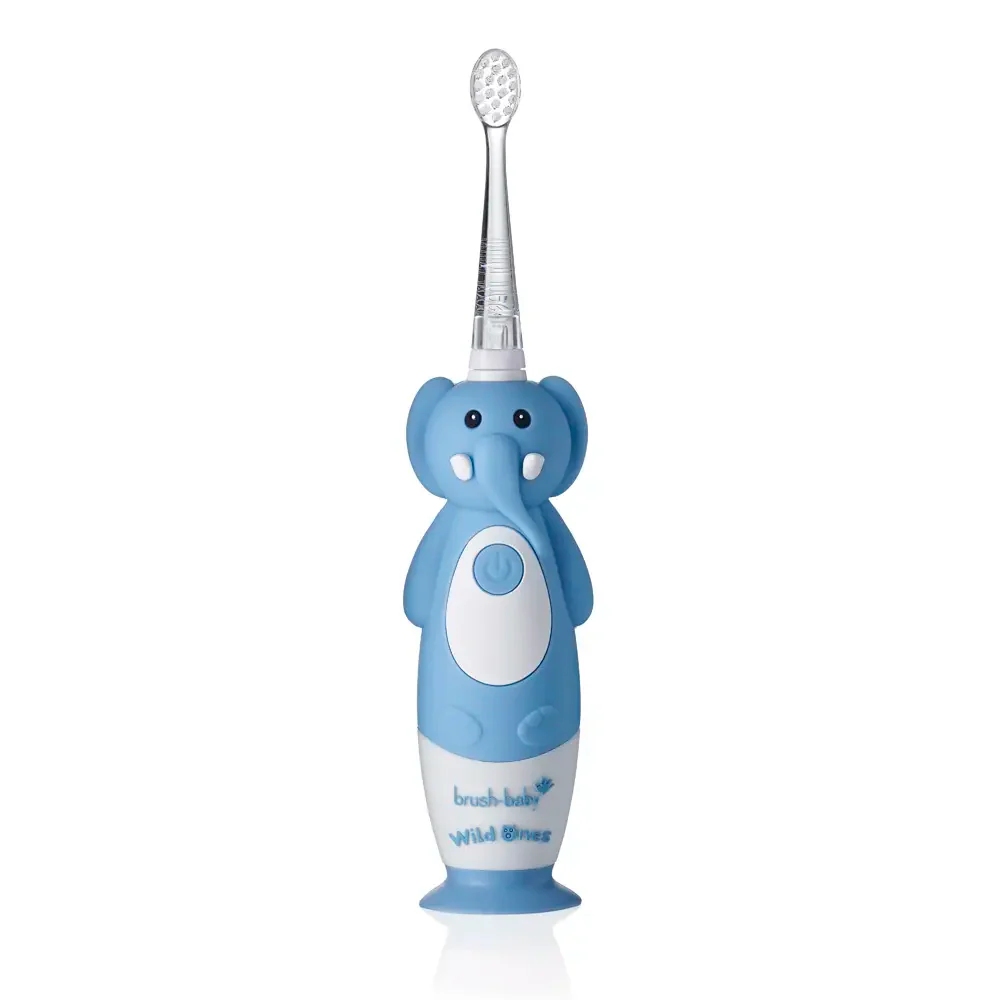
A: Absolutely! Many brands offer age-appropriate electric toothbrushes specifically designed for children, often featuring smaller heads, softer bristles, and fun designs to encourage good habits.
Q: What’s the difference between sonic and oscillating-rotating electric toothbrushes?
A: Sonic toothbrushes use high-frequency vibrations to create micro-bubbles for cleaning, offering a gentler, sweeping feel. Oscillating-rotating brushes have small, round heads that physically rotate and oscillate to scrub plaque off each tooth. Both are effective, and the choice often comes down to personal preference.
Q: Do I need smart features in an electric toothbrush?
A: While not strictly necessary for a good clean, smart features like app connectivity and real-time feedback can be incredibly helpful for improving your brushing technique, tracking your habits, and providing personalized guidance. They can be a great motivational tool for optimizing your oral hygiene.
Conclusion
Choosing a good electric toothbrush is more than just a purchase; it’s an investment in your long-term oral health. With their superior plaque removal capabilities, built-in timers, protective pressure sensors, and often smart features, these devices simplify the path to a cleaner, healthier mouth. Whether you prefer the invigorating scrub of an oscillating-rotating brush or the gentle hum of a sonic model, there’s a perfect electric toothbrush waiting to transform your daily routine. So, take the leap, explore the options, and discover how a truly good electric toothbrush can unlock a brighter, more confident smile for you.