Gone are the days when a stellar clean meant a roaring start to your morning. For many, the loud buzz of a traditional electric toothbrush has been a necessary evil, a compromise for superior oral hygiene. But what if you could have the best of both worlds: a powerful, plaque-fighting clean delivered with barely a whisper? Welcome to the world of the Quiet Electric Toothbrush, a game-changer for anyone seeking a more peaceful, yet incredibly effective, dental routine. These innovative devices are transforming how we think about brushing, proving that advanced technology can indeed go hand-in-hand with tranquility.
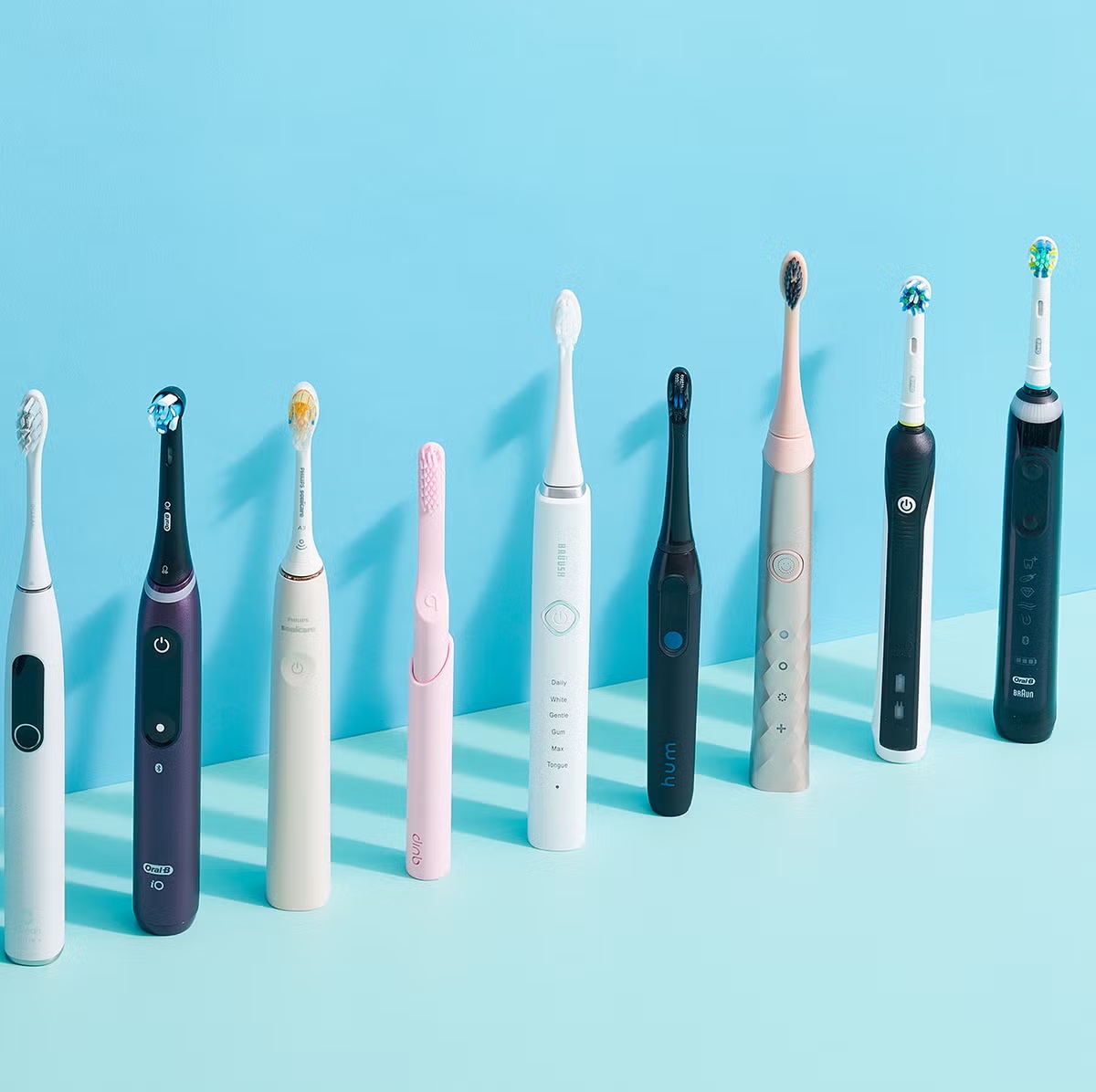
A Quieter Evolution in Oral Care
The journey of the electric toothbrush began with a simple aim: to clean teeth more effectively than manual brushing. Early models were marvels of engineering but often came with a distinct, sometimes jarring, mechanical hum. Over time, as technology advanced and consumer preferences shifted towards a more refined experience, manufacturers recognized the demand for quieter operation. This led to significant innovations in motor design, acoustic dampening, and overall construction, moving us from noisy whirs to a gentle, almost imperceptible hum.
Understanding the Hum: Sonic vs. Oscillating-Rotating
The noise level of an electric toothbrush largely depends on its underlying technology. There are two primary types:
Sonic Toothbrushes
Sonic toothbrushes utilize high-frequency vibrations to move the brush head, creating up to tens of thousands of brush strokes per minute. This rapid vibration generates dynamic fluid action, driving toothpaste and water into interdental spaces and along the gumline. Generally, sonic toothbrushes produce a softer, humming sound. Many models operate in the 50-70 decibel (dB) range, with some ultra-quiet versions dipping below 50 dB. This gentler sound is often attributed to the nature of their high-frequency, vibrational movement.
Oscillating-Rotating Toothbrushes
In contrast, oscillating-rotating toothbrushes feature a small, round brush head that rotates and pulsates to break up and sweep away plaque. While incredibly effective, the mechanical action of these brushes historically led to a louder, more mechanical sound, often in the 70-75 dB range. However, brands like Oral-B have made significant strides with their iO series, introducing a different motor type that has resulted in a quieter oscillating-rotating experience, typically around 60-64 dB, making them considerably less noisy than their predecessors.
The Quiet Powerhouse: Technology Behind the Gentle Hum
The myth that a quiet electric toothbrush sacrifices cleaning power is just that – a myth. Modern engineering has debunked this notion entirely. Today’s quiet electric toothbrushes often feature advanced “maglev” (magnetic levitation) motors. These motors are designed for precision and efficiency, delivering powerful vibrations directly to the bristles while minimizing audible noise.
Manufacturers also employ sophisticated soundproofing techniques and meticulous design to reduce internal resonance and external noise transmission. This means that a toothbrush can operate at a very high frequency and amplitude – the true indicators of cleaning power – without the accompanying racket. As Dr. Evelyn Reed, a dental health technology specialist, often emphasizes, “The effectiveness of a brush isn’t measured in decibels, but in its ability to disrupt plaque and maintain gum health. Modern quiet electric toothbrushes excel at both.”
Benefits Beyond the Hush: Why a Quiet Electric Toothbrush Matters
Choosing a quiet electric toothbrush offers a wealth of advantages that extend far beyond simply reducing noise:
An Enhanced Brushing Experience
A quieter brushing experience can lead to a more mindful and thorough routine. Without the distraction of a loud motor, you can focus better on proper technique and ensuring every quadrant of your mouth receives adequate attention. Many users find they naturally brush for the dentist-recommended two minutes (or more!) when the experience is calm and pleasant. This shift from a chore to a moment of self-care can significantly improve overall oral hygiene.
Consideration for Shared Spaces
Whether you live with a light-sleeping partner, share a bathroom with roommates, or travel frequently, a quiet electric toothbrush is a true courtesy. It allows you to maintain your oral hygiene routine without disturbing others early in the morning or late at night. This small consideration can contribute to a more harmonious living environment.
Ideal for Sensitive Users
For individuals with sensory sensitivities, such as children or those with neurodevelopmental differences, the loud noise of a standard electric toothbrush can be genuinely distressing, leading to avoidance or rushed brushing. A low-noise model can make the experience far less intimidating and more approachable, fostering better oral health habits from an early age.
No Compromise on Cleanliness
Perhaps the most important benefit is the reassurance that quietness doesn’t equate to weakness. Advanced sonic technology, particularly in models that boast a low decibel output, is highly effective at removing plaque, reducing cavities, and promoting gum health. These brushes generate high-frequency vibrations that reach spots manual brushes often miss, proving that a gentle sound can still deliver a powerful clean.
Choosing Your Quiet Companion: What to Look For
When selecting a quiet electric toothbrush, consider these factors:
- Decibel Levels: Look for specifications. While some manufacturers don’t explicitly state dB, reviews often include this data. Aim for models rated under 60 dB, with truly quiet options often falling below 50 dB.
- Technology Type: Sonic toothbrushes are generally the quietest by design. If you prefer the oscillating-rotating action, seek out newer generations like the Oral-B iO series, which have significantly reduced noise levels.
- Essential Features: Don’t overlook features like built-in timers (crucial for ensuring a full two-minute brush) and pressure sensors (to prevent aggressive brushing that can harm gums and enamel). These features are vital for effective and safe oral care, regardless of noise.
- Battery Life: A good battery life ensures convenience, especially for travel.
- Brush Head Availability: Ensure replacement brush heads are readily available and affordable.
Quick Comparison of Electric Toothbrush Noise Levels (Approximate)
| Type of Electric Toothbrush | Typical Noise Level (dB) | Characteristics |
|---|---|---|
| Ultra-Quiet Sonic | < 50 dB | Gentle hum, almost silent |
| Standard Sonic | 50 – 70 dB | Noticeable hum |
| Newer Oscillating-Rotating | 60 – 64 dB | Reduced mechanical sound |
| Older Oscillating-Rotating | > 70 dB | Louder, mechanical whirr |
Maintaining Your Quiet Electric Toothbrush
To ensure your quiet electric toothbrush remains effective and hygienic, proper maintenance is key:
- Rinse After Each Use: Rinse the brush head and handle thoroughly under running water to remove toothpaste residue.
- Store Properly: Store the toothbrush upright in a dry place to allow it to air dry.
- Replace Brush Heads: Change your brush head every three months, or sooner if the bristles appear frayed. Worn bristles reduce cleaning effectiveness.
- Clean the Handle: Periodically wipe down the handle with a damp cloth to remove any grime.
Quiet Electric Toothbrushes vs. Manual Brushes
While a manual toothbrush is inherently silent, a quiet electric toothbrush still offers superior cleaning benefits. Electric toothbrushes are proven to remove significantly more plaque and reduce gingivitis more effectively than manual brushing. Their consistent power, integrated timers, and specialized movements ensure a more thorough and consistent clean, making them a worthwhile investment for optimal oral health, even when prioritizing quiet operation.
Frequently Asked Questions
Are quiet electric toothbrushes less powerful?
No, modern quiet electric toothbrushes are designed with advanced motor technology, such as maglev motors, that allow them to deliver powerful cleaning vibrations while significantly reducing noise levels. Quietness does not equate to weakness; it’s a testament to sophisticated engineering.
What’s the average noise level of an electric toothbrush?
Most standard electric toothbrushes operate in the range of 50 to 70 decibels (dB). Older oscillating-rotating models can be louder, sometimes exceeding 70 dB, while newer quiet sonic models can go below 50 dB.
Which type of electric toothbrush is usually quieter?
Sonic electric toothbrushes are generally quieter than oscillating-rotating models. They produce a high-frequency humming sound due to vibrations, while oscillating-rotating brushes historically have a more mechanical noise. However, some newer oscillating-rotating series have significantly reduced their noise output.
Are there truly silent electric toothbrushes?
“Ultrasonic” toothbrushes operate at frequencies beyond human hearing, making them truly silent. However, these are less common and often more expensive than sonic toothbrushes, and their effectiveness compared to sonic or oscillating-rotating brushes is still a subject of ongoing discussion among dental professionals. Most “quiet” electric toothbrushes refer to low-decibel sonic models.
Who benefits most from a quiet electric toothbrush?
A quiet electric toothbrush is particularly beneficial for individuals with sensory sensitivities, children, those living in shared spaces (like dorms or apartments), or anyone who simply prefers a more peaceful and mindful brushing experience.
How can I make my current electric toothbrush quieter?
While significant noise reduction usually requires a specifically designed quiet model, ensuring your brush head is securely attached and free from debris can sometimes help. Also, avoiding pressing too hard can reduce motor strain and associated noise.
Embrace the Serenity of a Quiet Clean
The quest for optimal oral hygiene no longer demands a noisy compromise. A quiet electric toothbrush offers the perfect synergy of advanced cleaning power and a peaceful experience, transforming your daily routine into a moment of calm. By understanding the technology, recognizing the benefits, and knowing what to look for, you can choose a quiet companion that not only keeps your smile bright and healthy but also brings a welcome serenity to your mornings and evenings. Make the switch and discover the difference a whisper-clean can make.